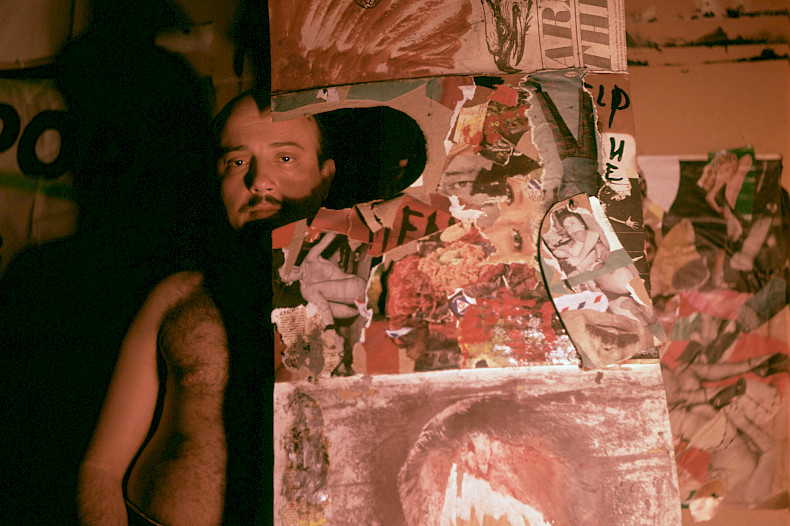
Boris Lurie (Photo: Sam Goodman © Boris Lurie Art Foundation)
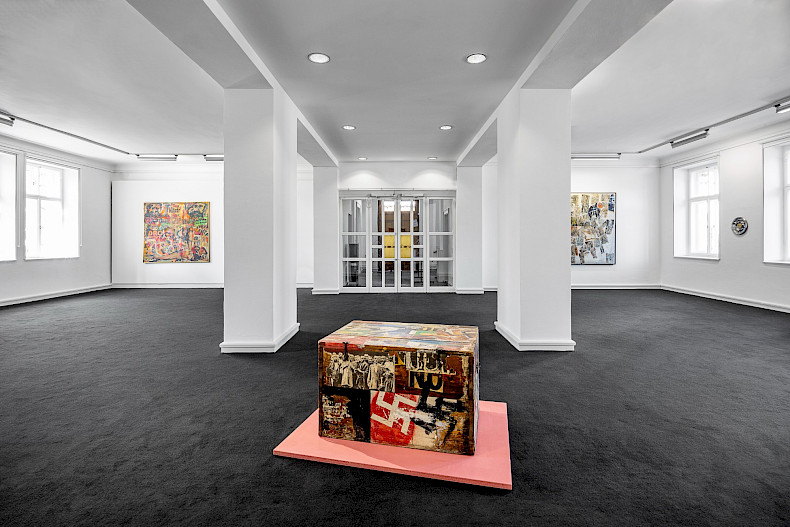
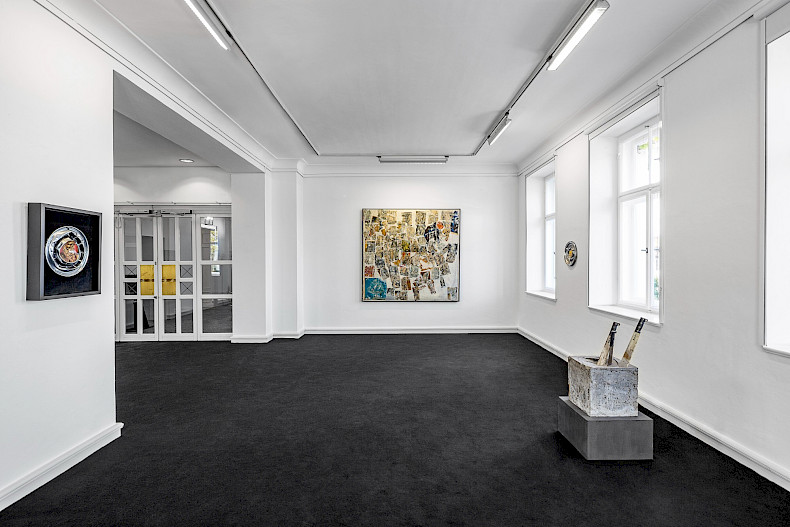
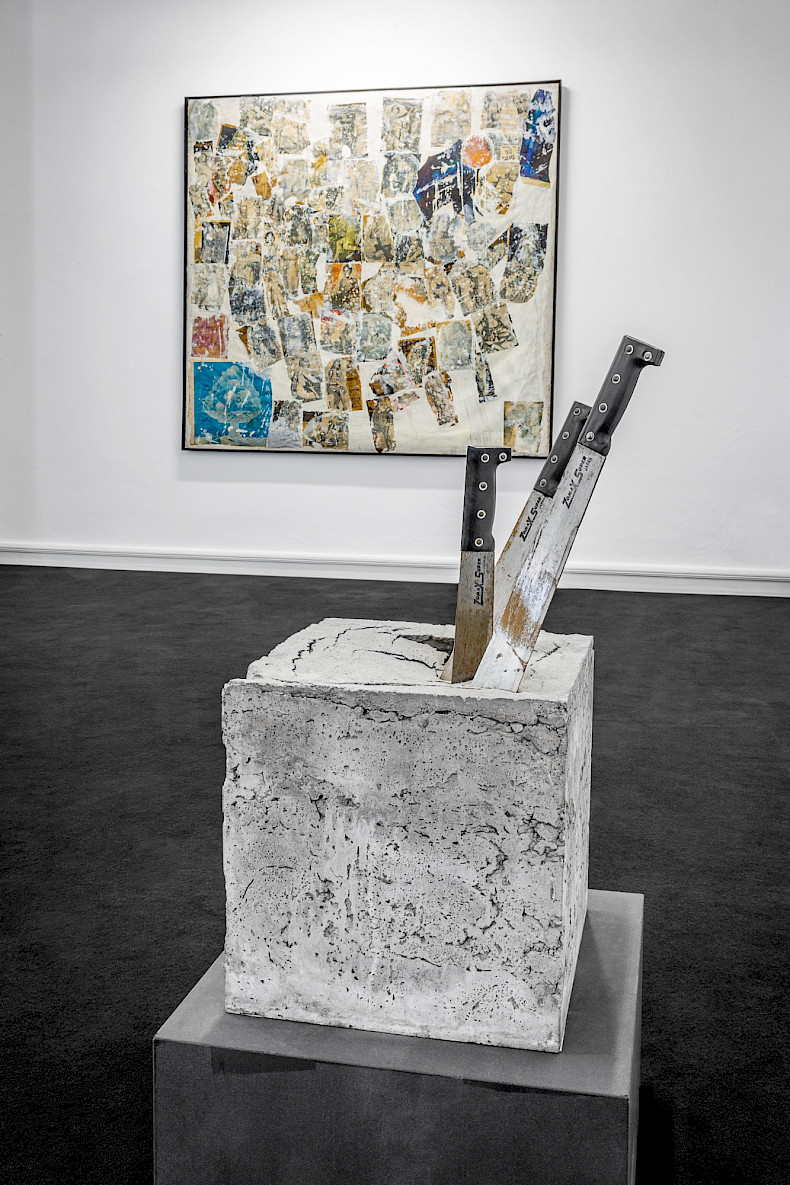
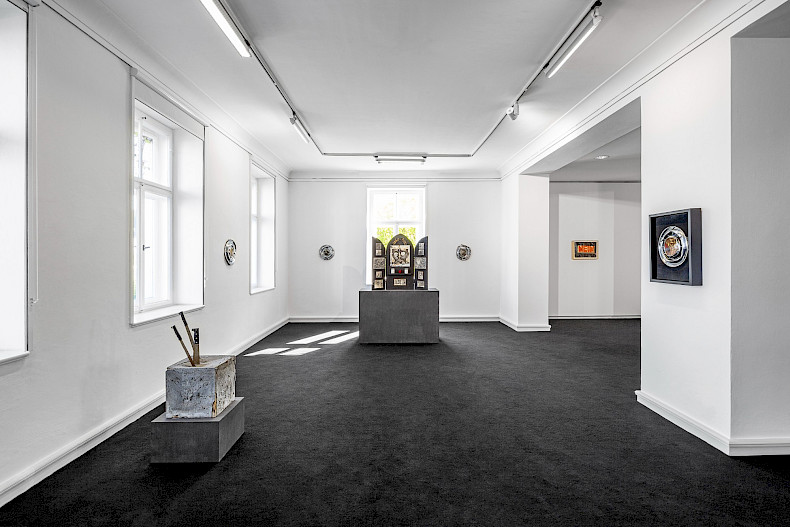
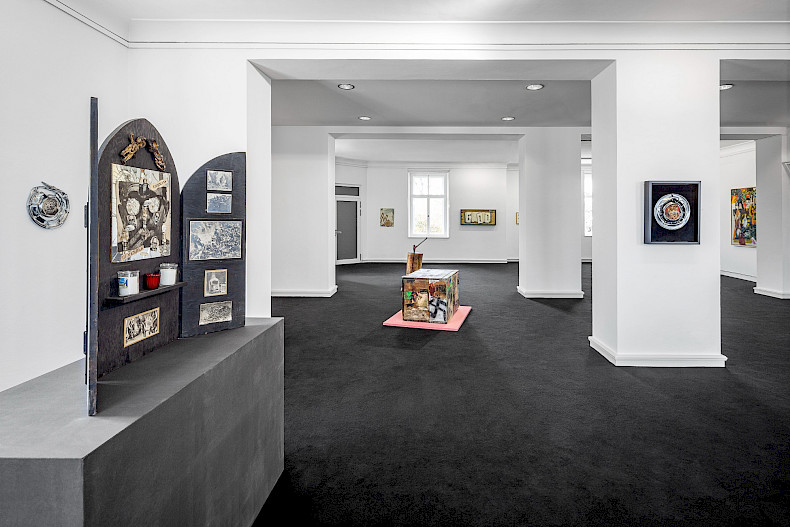
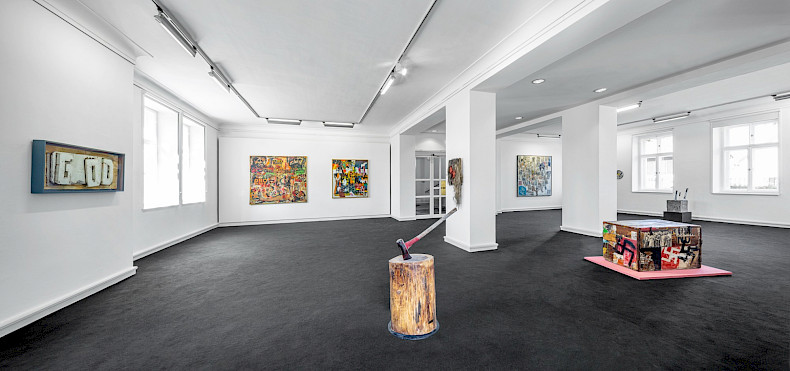
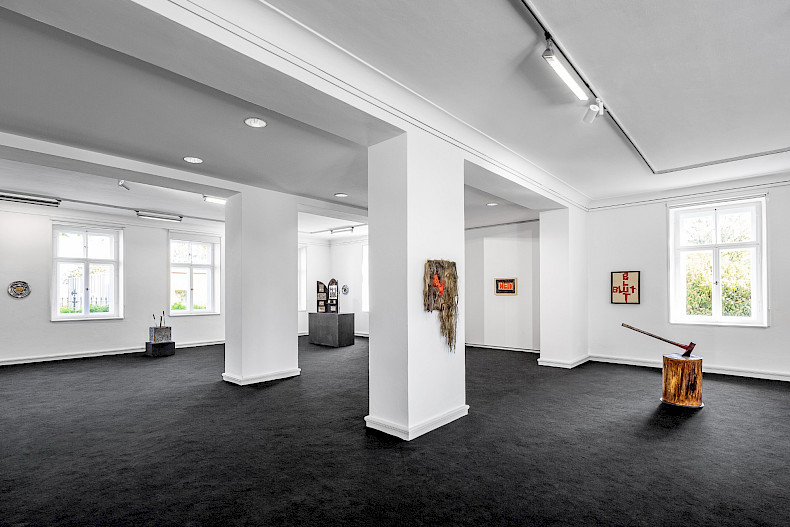
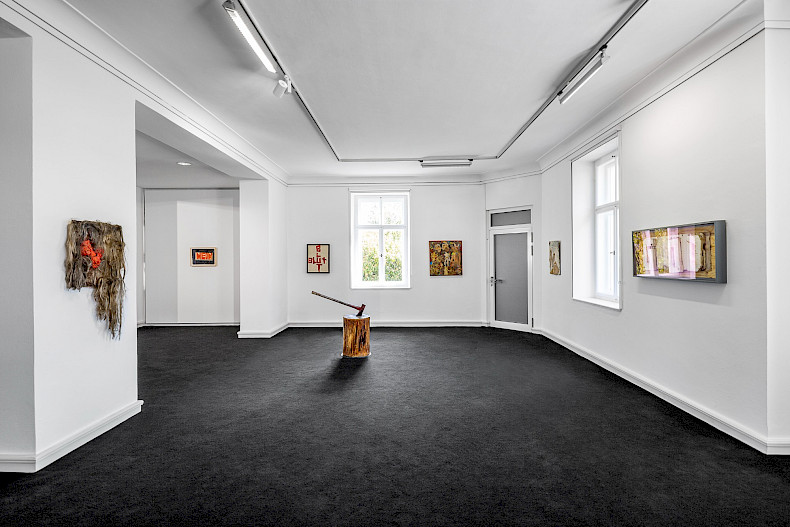
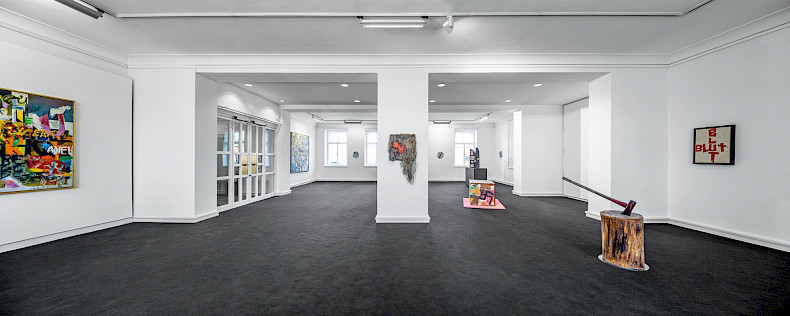
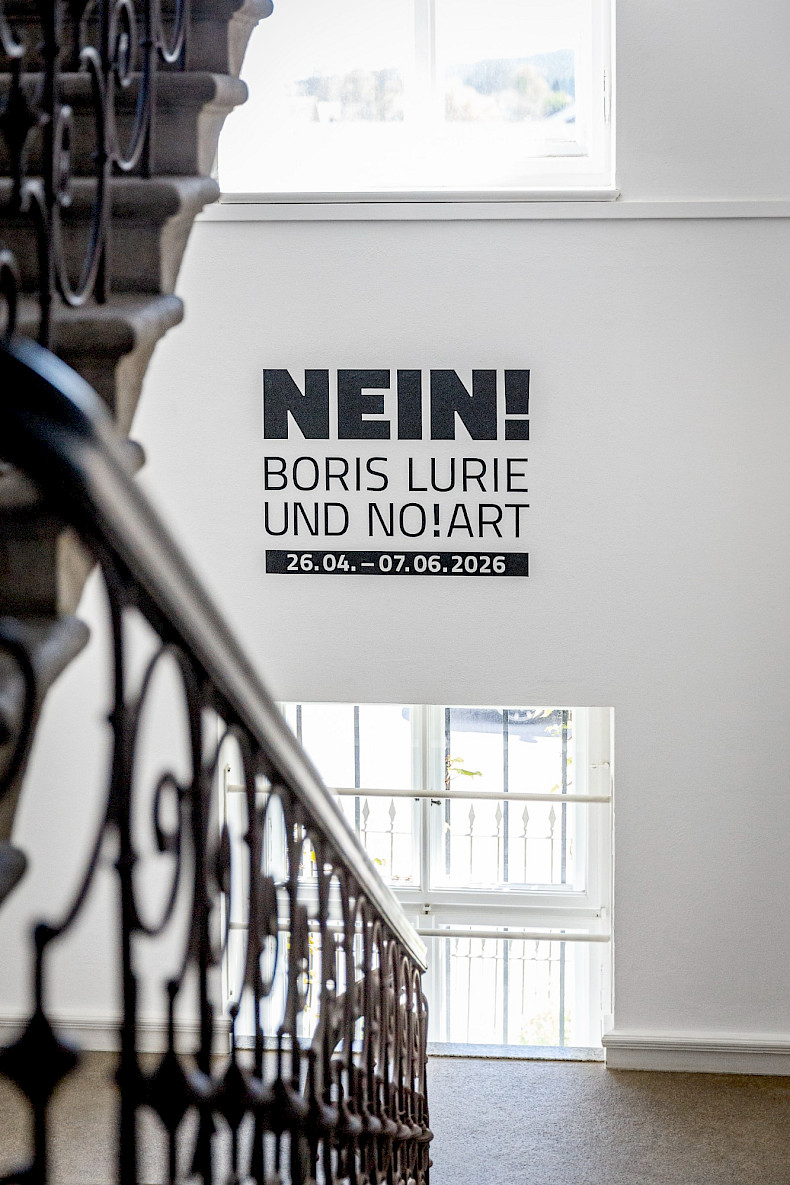
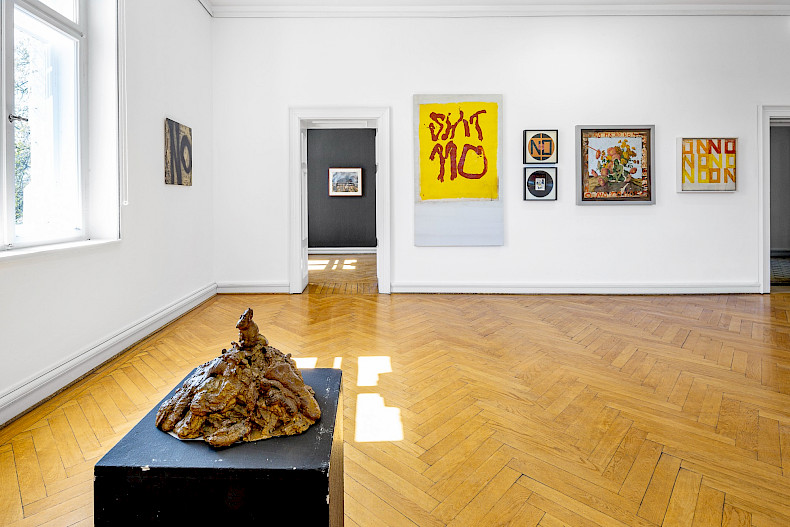
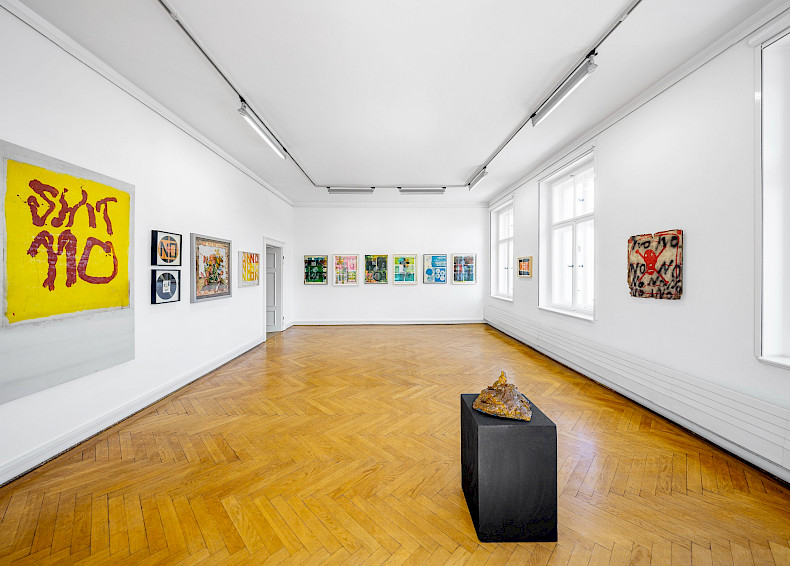
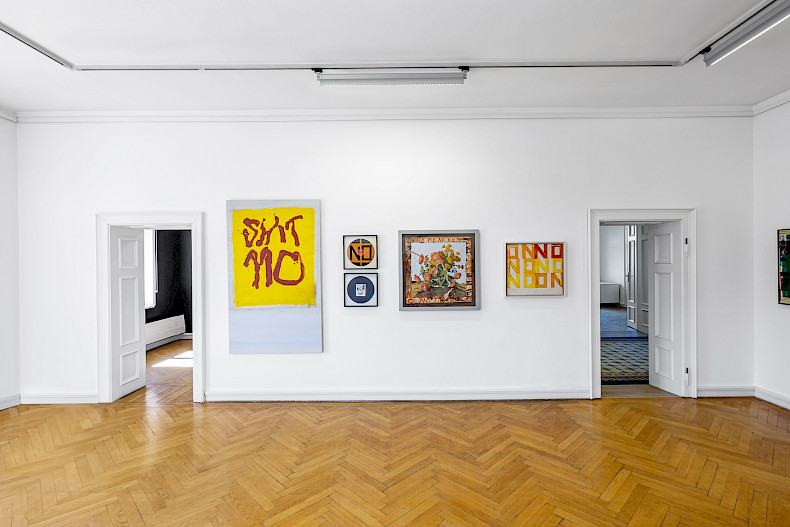
On the occasion of its reopening following the completion of accessibility improvements, the Kebbel Villa presents the exhibition NEIN! Boris Lurie and NO!art, in collaboration with the Boris Lurie Art Foundation.
Boris Lurie (1924 Leningrad, USSR–2008 New York, NY, US) was the youngest child of the Jewish businessman Ilja Lurie and his wife Schaina, a dentist. He grew up in Riga (Latvia). Following the German occupation in 1941, the family was interned in the Riga ghetto. Lurie’s mother, his grandmother, his younger sister, and his childhood sweetheart were murdered on December 8, 1941, during the Rumbula massacre, in which members of the SS killed approximately 250,00 Jews in a forest near Riga.
Boris Lurie and his father survived forced labor in the so-called Small Ghetto, as well as deportations to the Lenta labor camp and the concentration camps at Salaspils, Stutthof, and Buchenwald. In April 1945, father and son were liberated by U.S. soldiers at the Magdeburg-Polte subcamp.
In 1946, they both emigrated to New York City in the United States, where Lurie lived and worked until his death. He referred to himself as a “privileged” survivor and never regarded himself as a victim. Yet violence, abuse of power, and collective powerlessness remained central concerns of his artistic work throughout his life
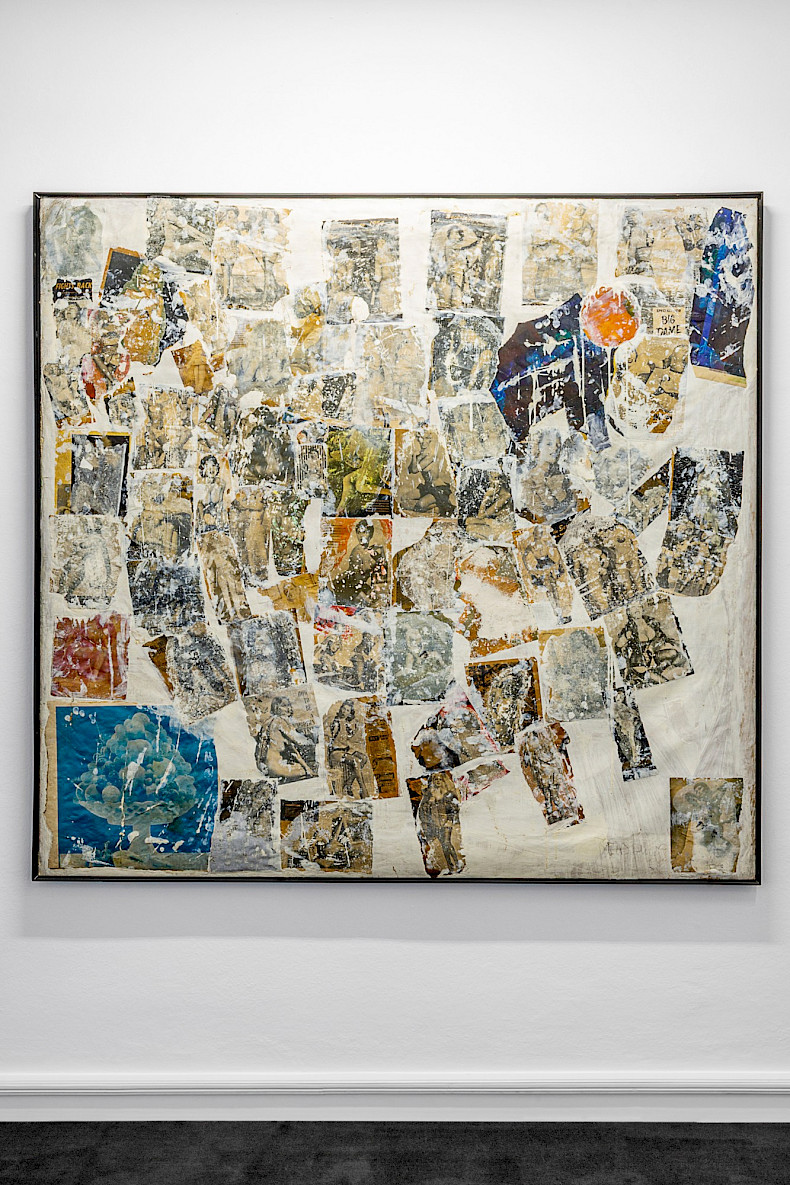
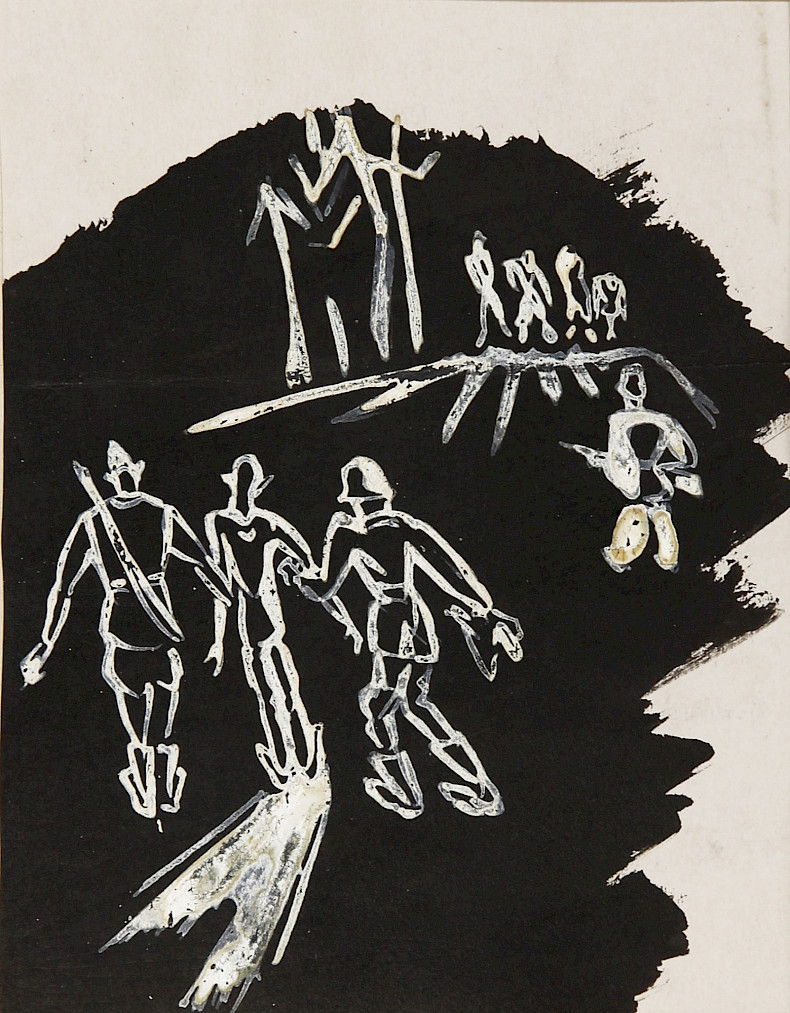
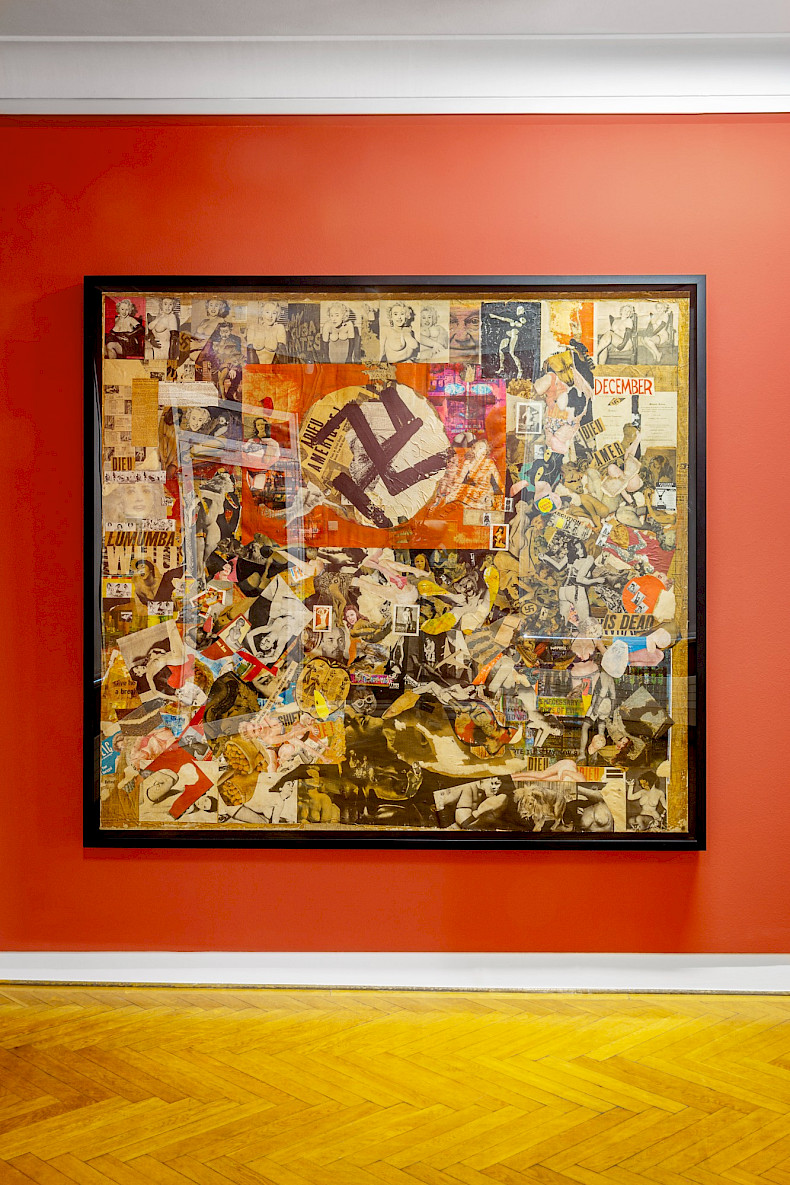
Lurie took various painting and drawing classes at the Art Students League, yet his formal education ended at age 16. However, he developed an uncompromising visual language combining collage, painting, photography, and assemblage. Through the repeated juxtaposition of motifs of the Holocaust and the dark side of consumer culture, he created powerful works that are as political as they are socially provocative.
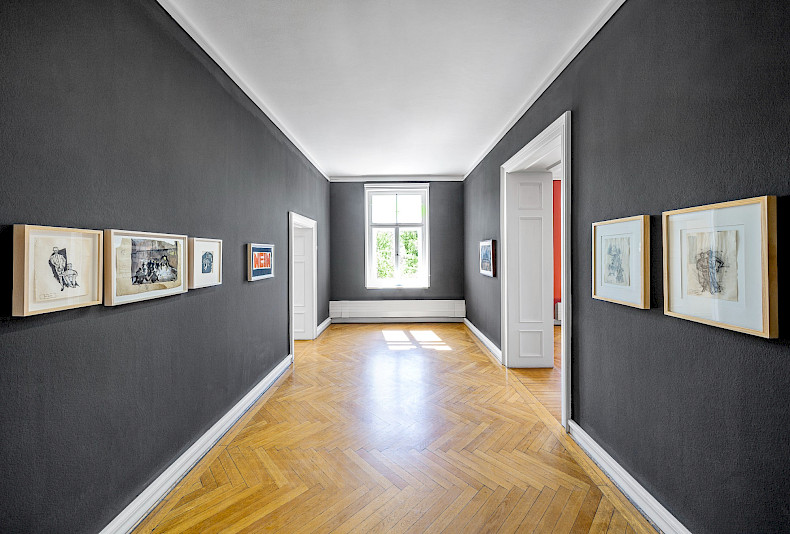
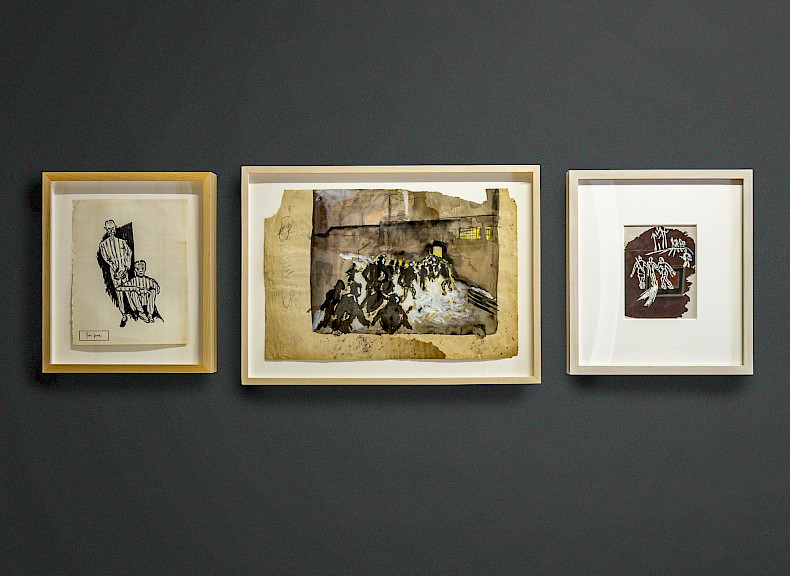
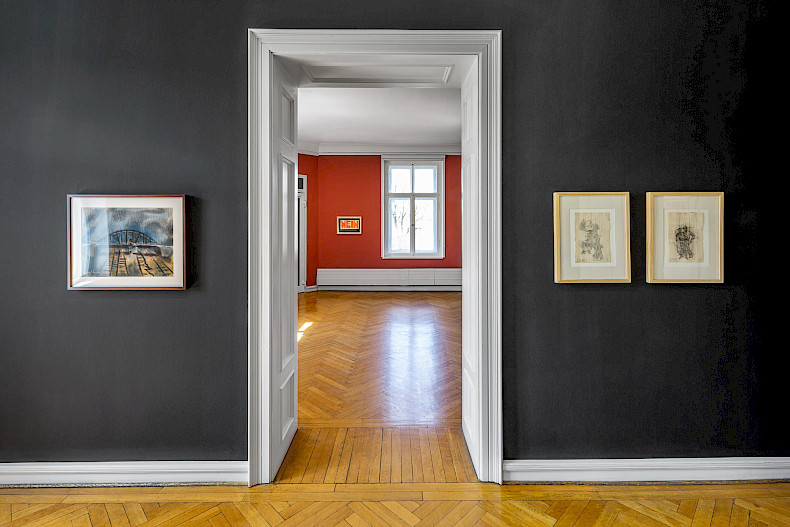
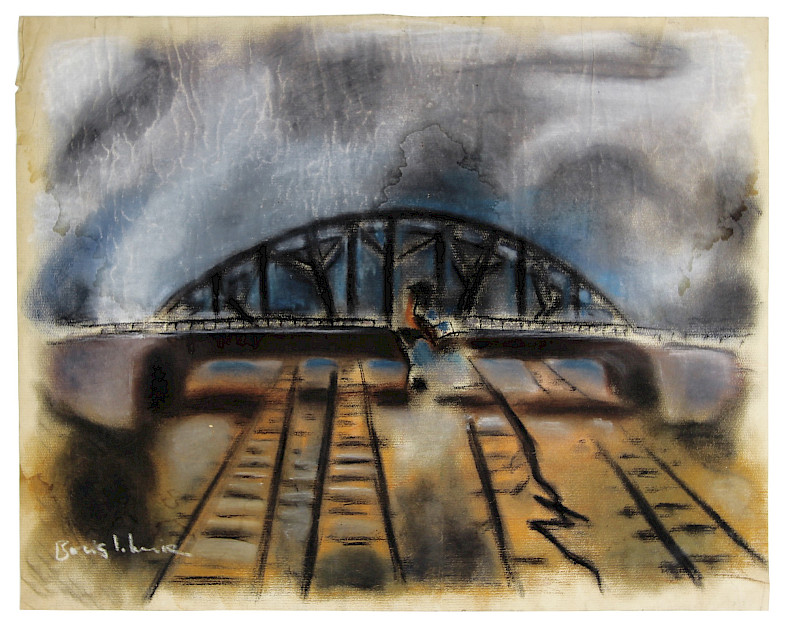
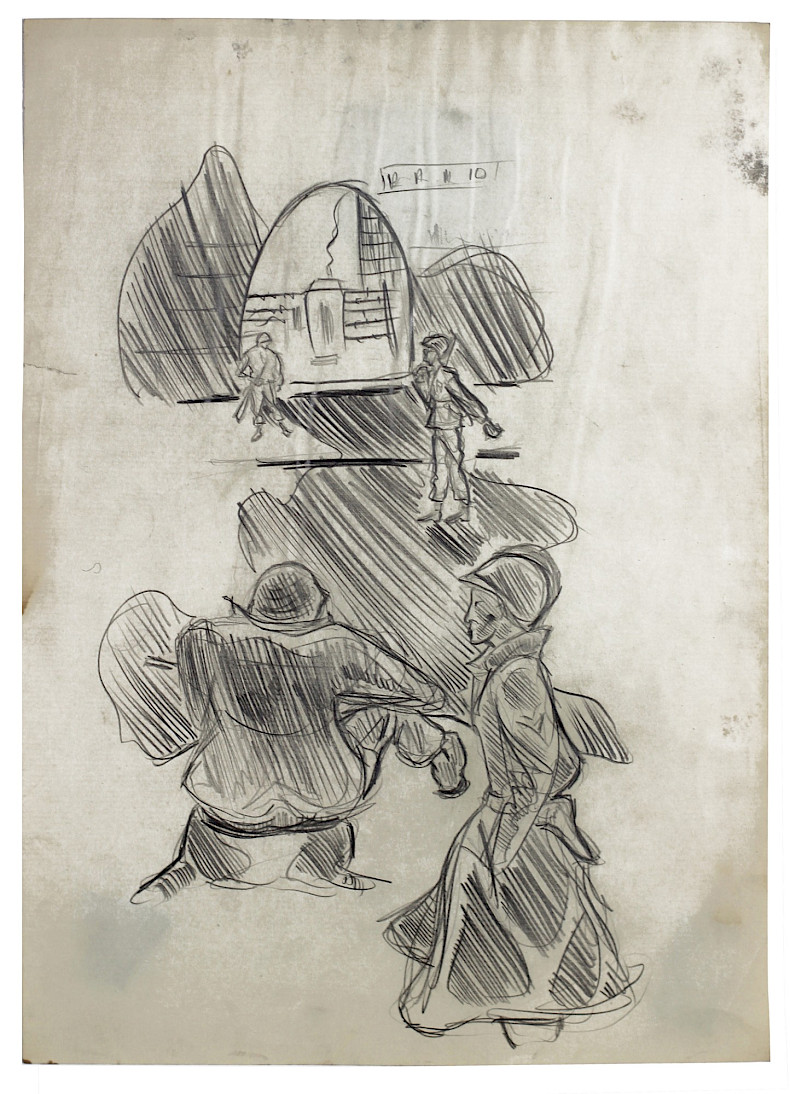
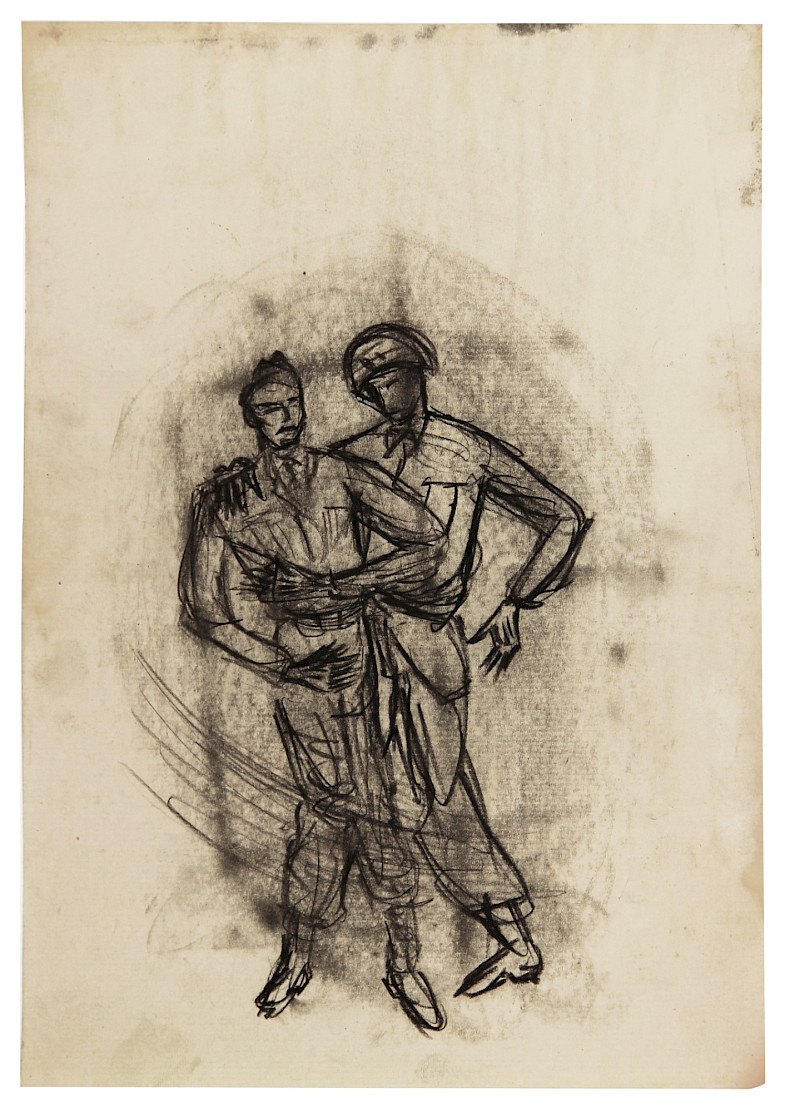
This exhibition at the Kebbel Villa brings together key works from various periods of his career, beginning with the early "War Series" from 1946. Particular emphasis is placed on works from the pivotal phase of the NO!art movement in the early 1960s. Selected works by Lurie’s NO!art co-founders Sam Goodman (1919 Toronto–1967 New York, NY, USA) and Stanley Fisher (1926–1980 New York, NY, US) complement the presentation.
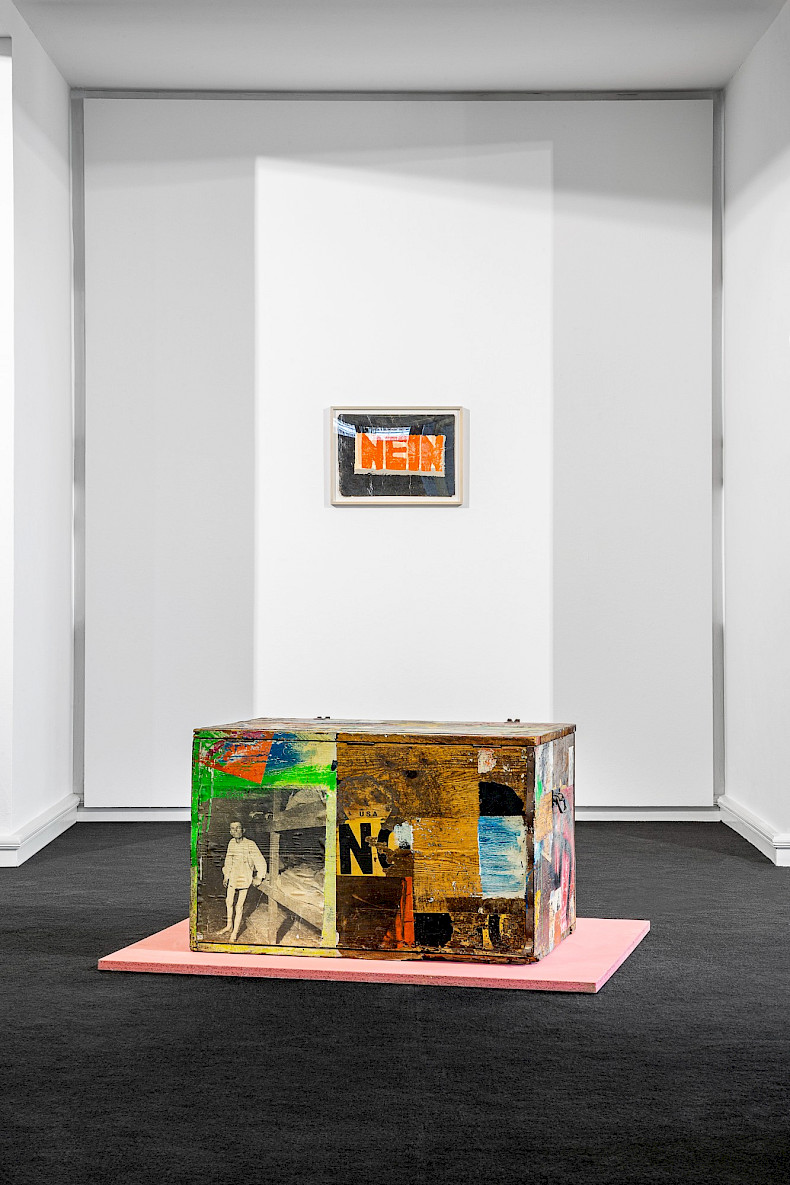
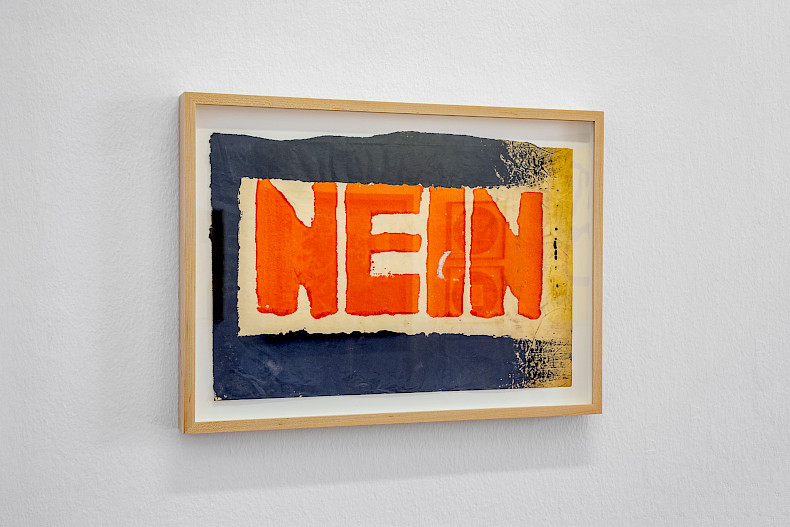
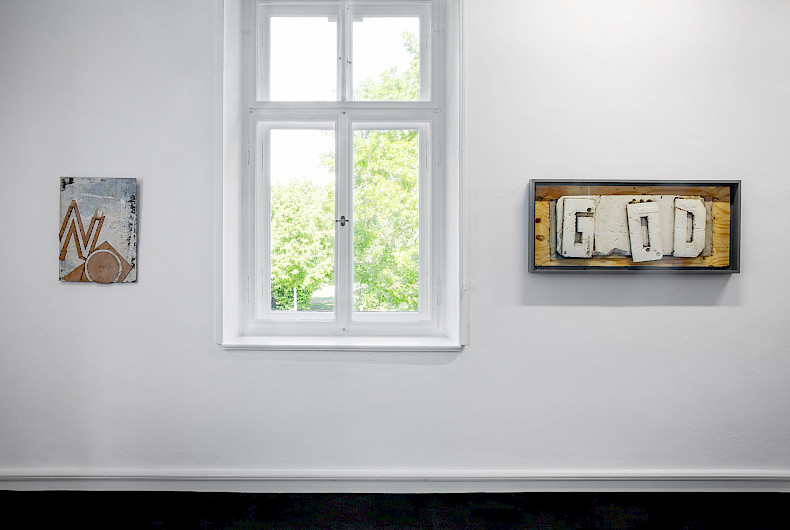
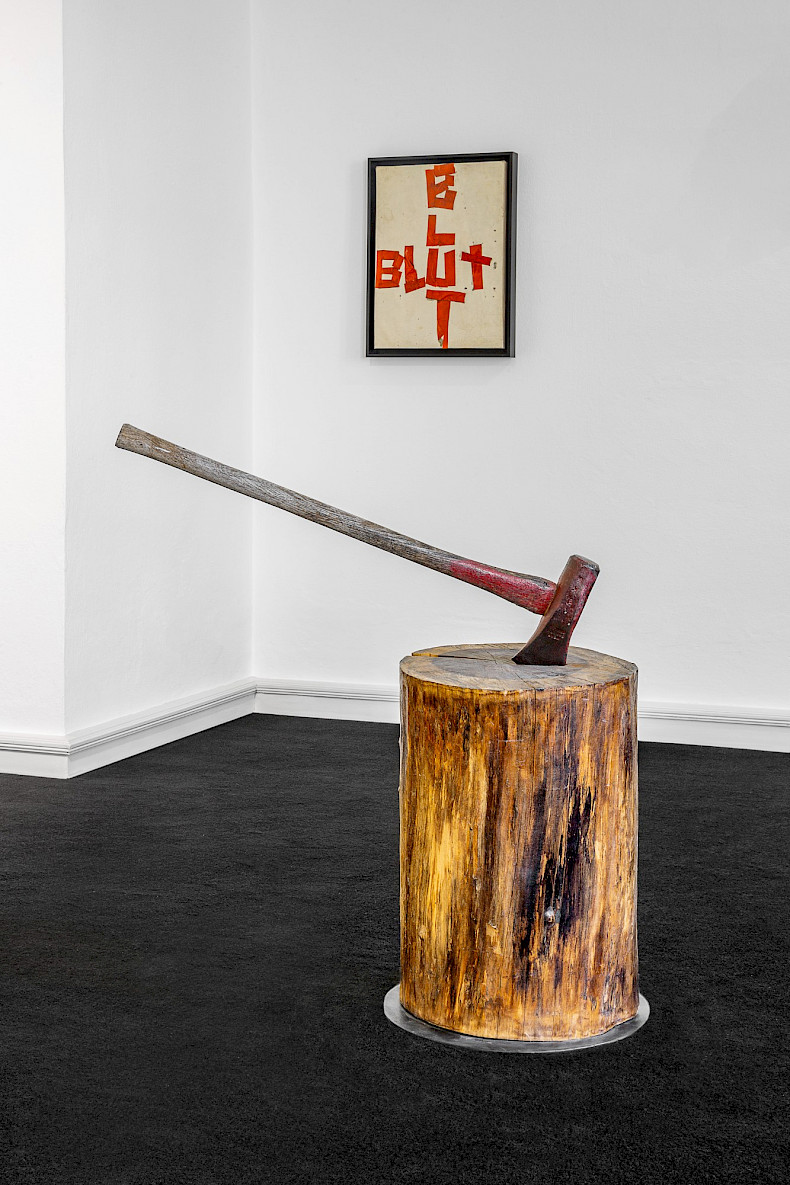
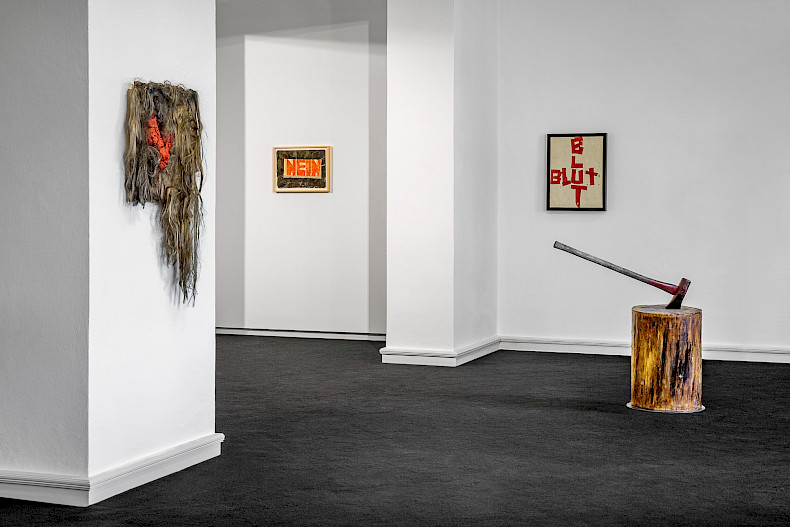
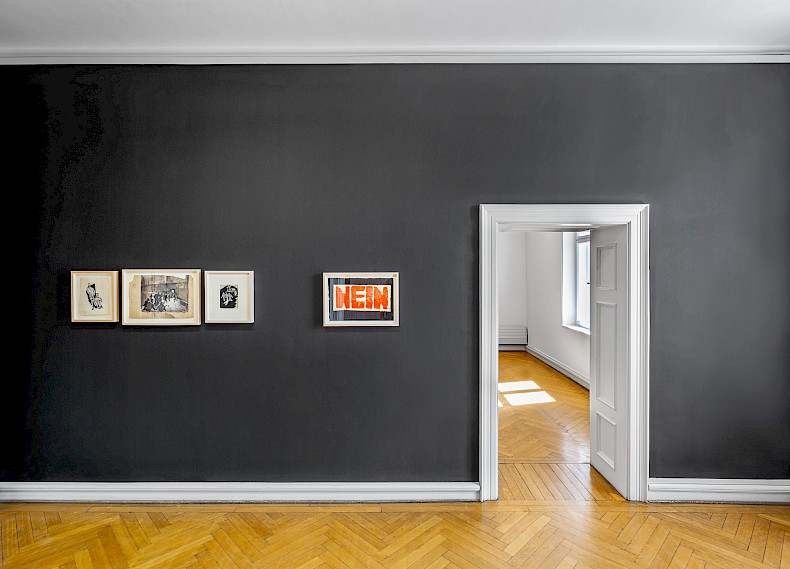
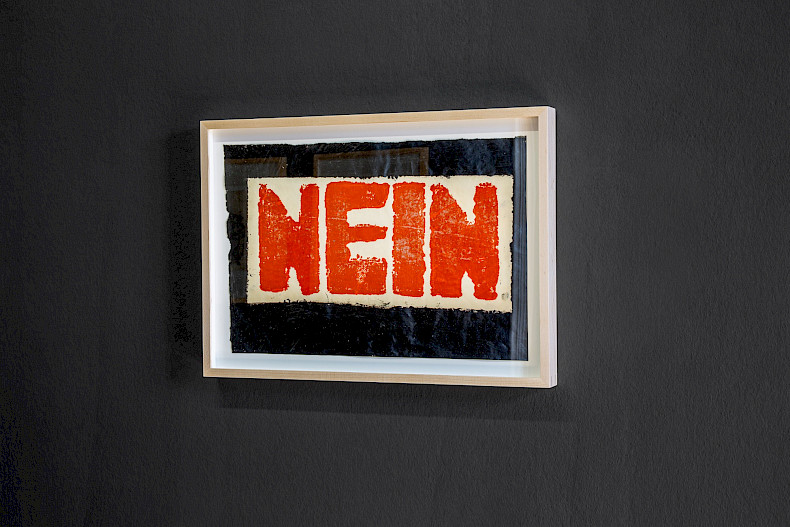
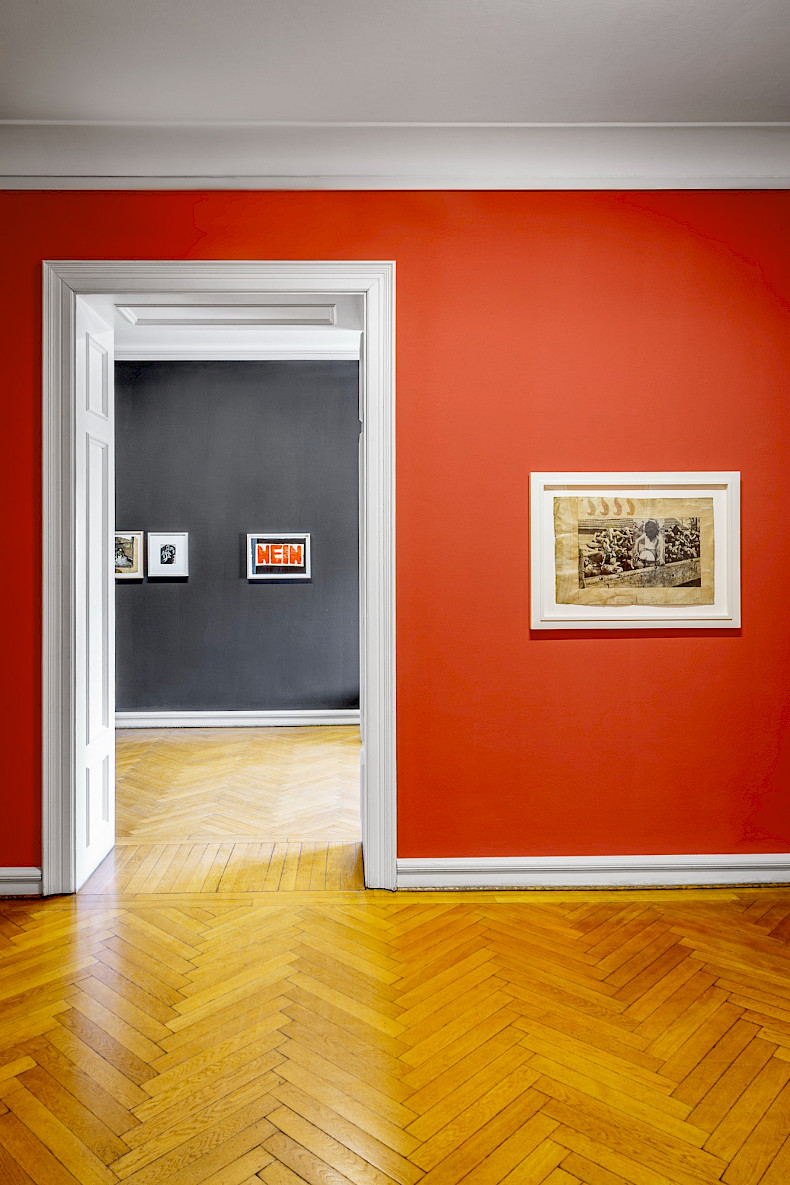
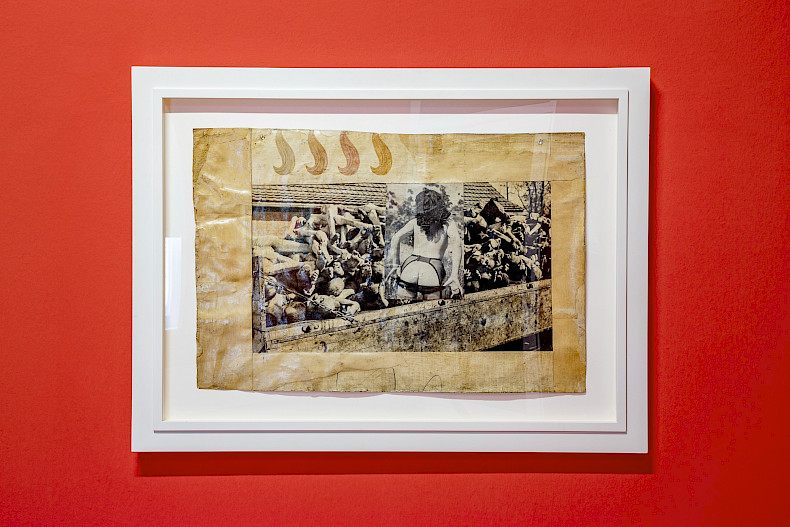
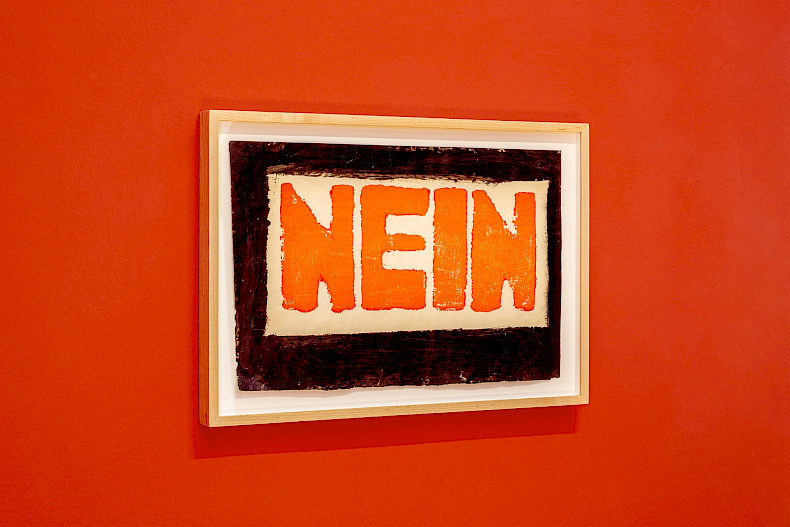
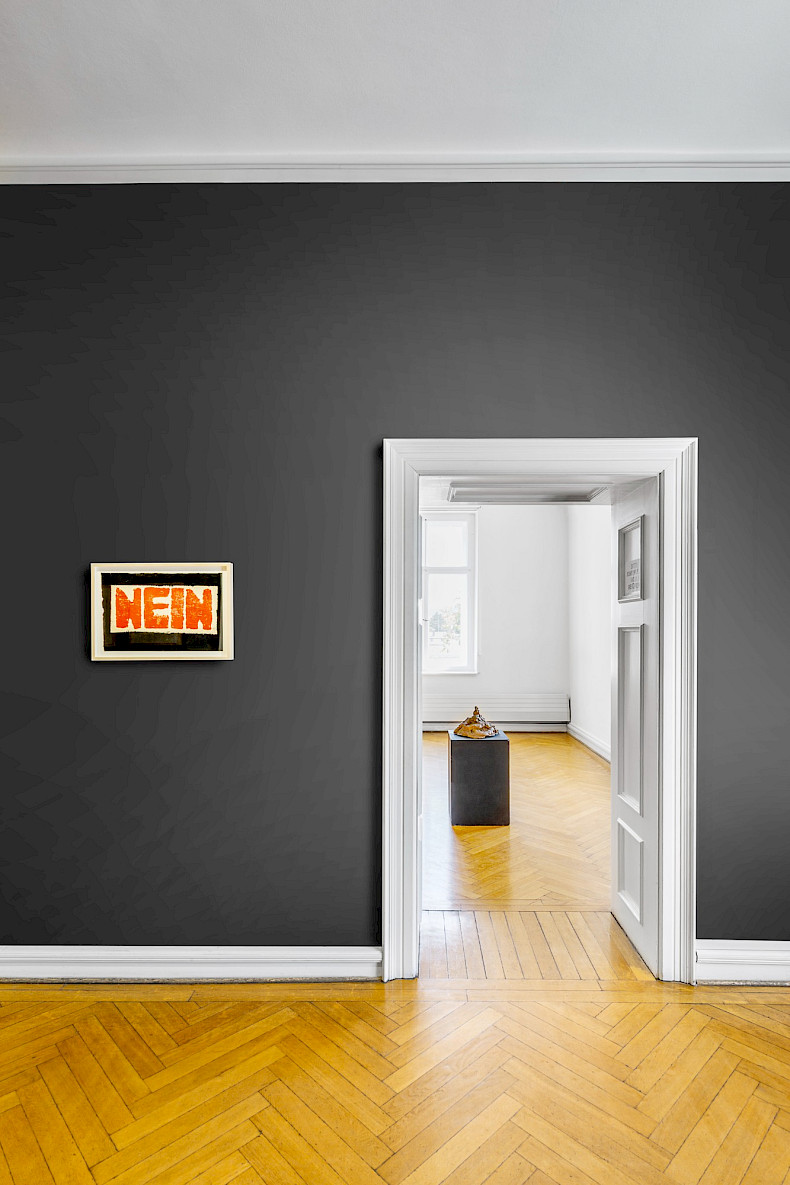
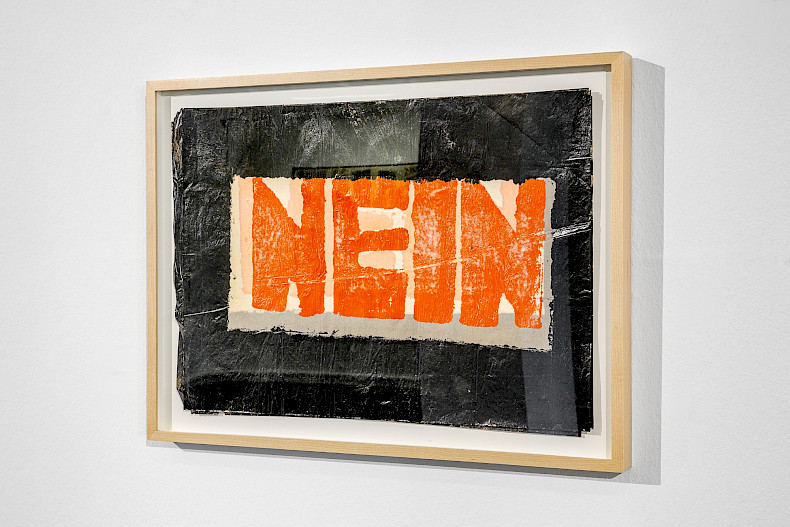
Four undated works by Lurie, in which the German interjection “NEIN” plays a central role, are being shown to the public for the first time. One such work is displayed in each of the four exhibition rooms.
Lurie, who learned German at a young age and attended a German-language high school, considered German his "second mother tongue" – despite his traumatic experiences during the Nazi era.
He did not fundamentally reject Germany; in the 1970s, he even considered moving from New York to Berlin.
The resistance to the commercialization of art inherent in the concept of NO!art also shaped Lurie's attitude toward the art market. Consequently, he was reluctant to sell his work during his lifetime. During his life he worked as a fashion illustrator for several years, received a monthly pension as a Holocaust survivor, and later invested in penny stocks and real estate, which formed the basis of his estate.
Boris Lurie’s works have been shown in numerous solo and group exhibitions in Germany and abroad, including at the Neues Museum in Nuremberg (2025, 2024, 2017), the Center for Persecuted Arts in Solingen (2022), the Museum of Jewish Heritage, New York (2022), the Riga Bourse Art Museum (2020), the Jewish Museum Berlin (2016), and the Buchenwald Memorial (1998/99). His work is included in the collections of the Museum of Modern Art, NY and the National Gallery of Art, Washington. Following his death, scholarly publications and exhibitions, as well as the Boris Lurie Art Foundation, have contributed significantly to the preservation and international visibility of his work.
A richly illustrated exhibition catalogue featuring texts by Rudij Bergmann, Jürgen Dehm, Georg Imdahl, and Dietmar Rübel in both German and English is forthcoming.
The exhibition is a collaboration with the Boris Lurie Art Foundation.
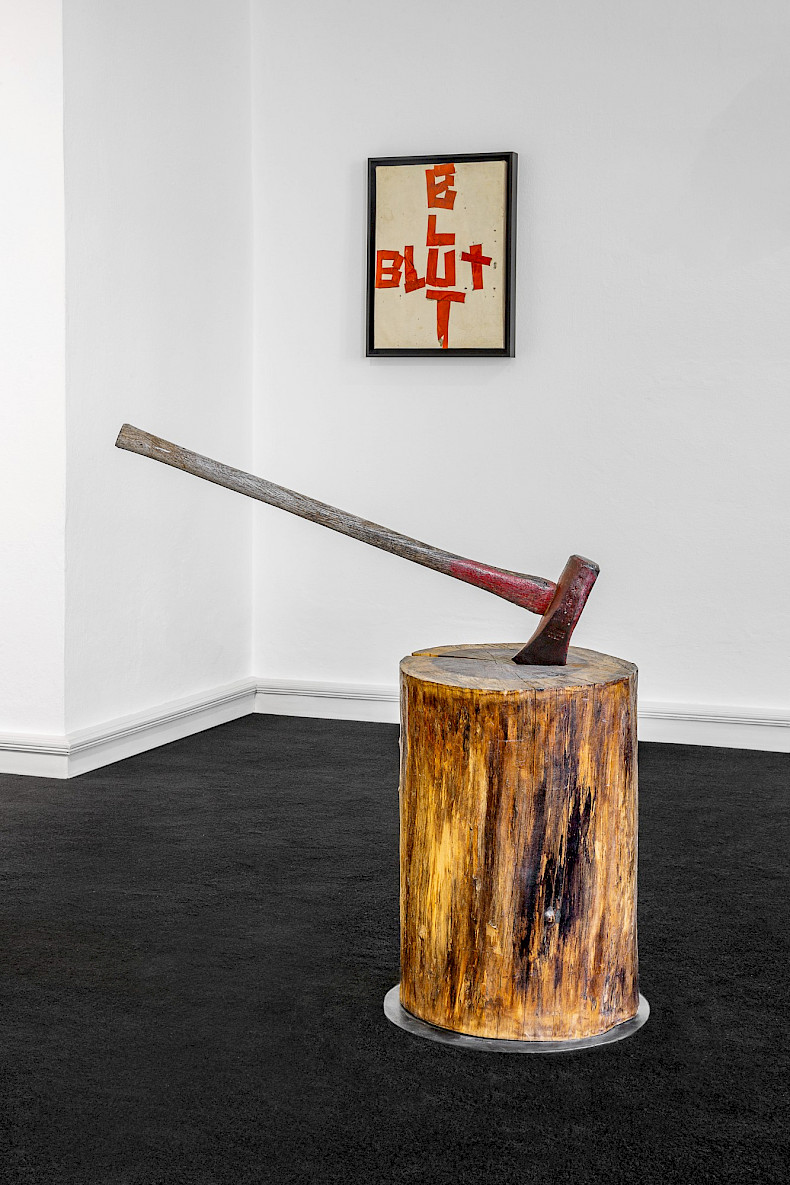
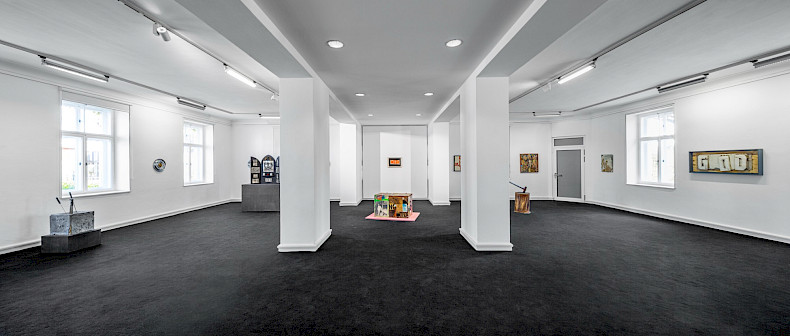
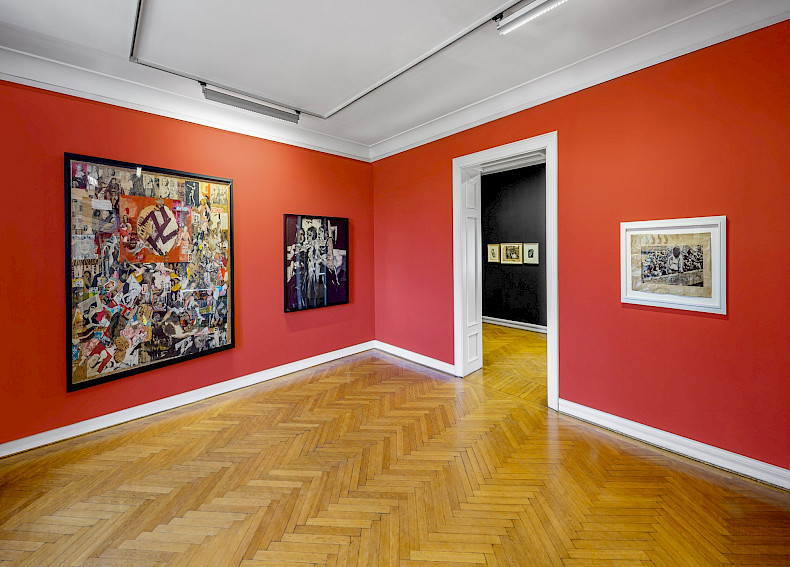
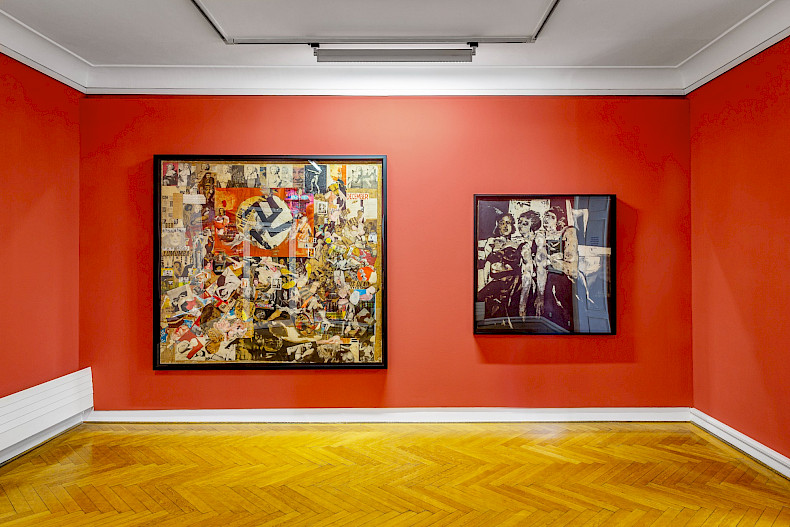
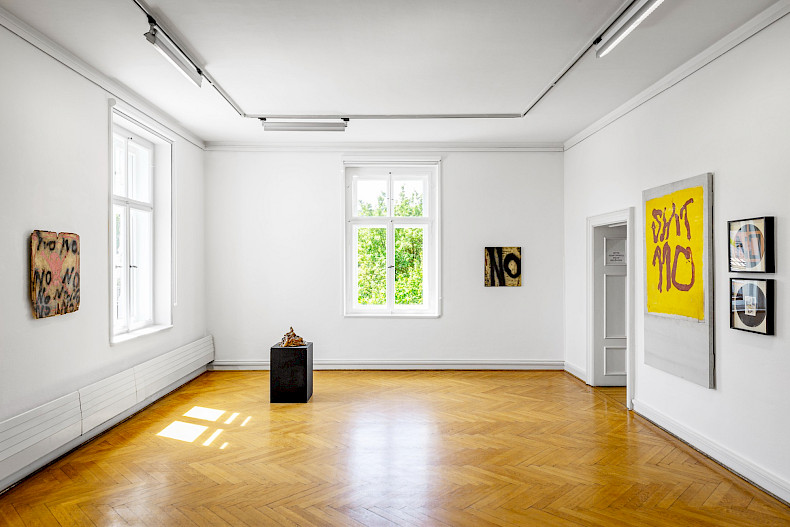
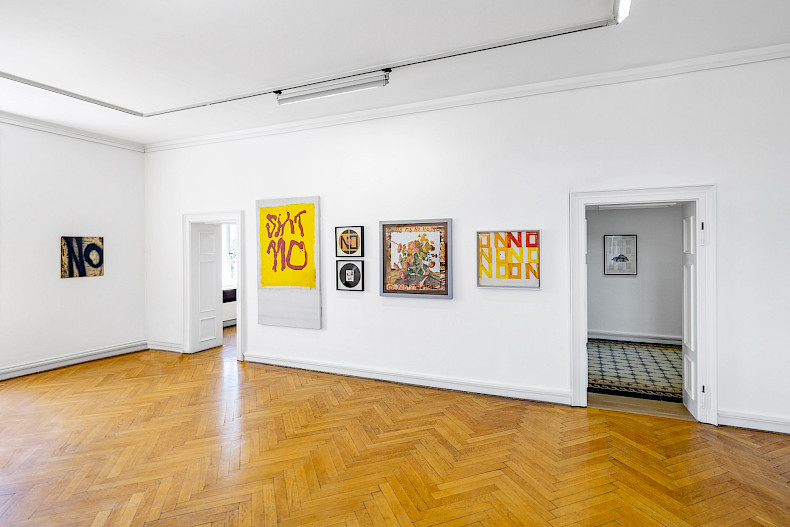
NEIN! Boris Lurie and NO!art, exhibition view 2026, Kebbel Villa, Schwandorf (Photo: Marcus Rebmann)
NEIN! Boris Lurie and NO!art, exhibition view 2026, Kebbel Villa, Schwandorf (Photo: Marcus Rebmann)
NEIN! Boris Lurie and NO!art, exhibition view 2026, Kebbel Villa, Schwandorf (Photo: Marcus Rebmann)
Boris Lurie, NEIN, n.d., acrylic on paper, 30 × 47 cm (Photo: Marcus Rebmann)
NEIN! Boris Lurie and NO!art, exhibition view 2026, Kebbel Villa, Schwandorf (Photo: Marcus Rebmann)
NEIN! Boris Lurie and NO!art, exhibition view 2026, Kebbel Villa, Schwandorf (Photo: Marcus Rebmann)
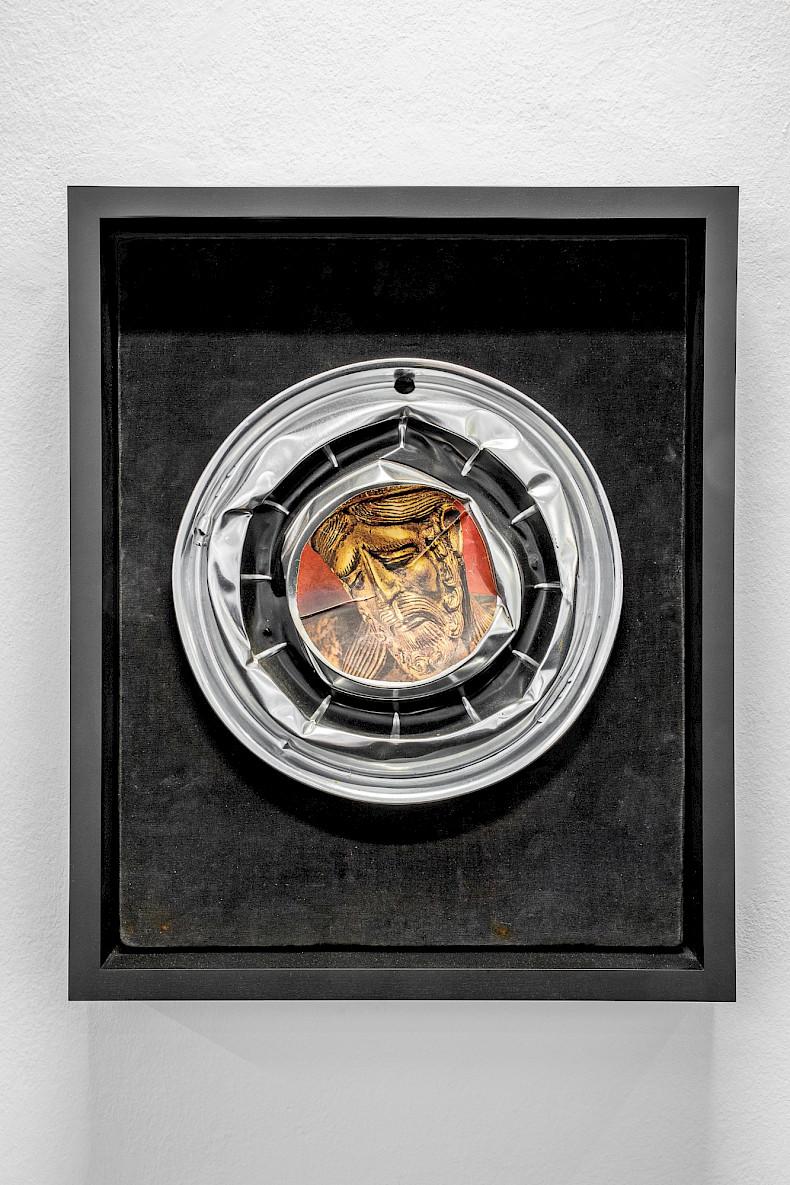
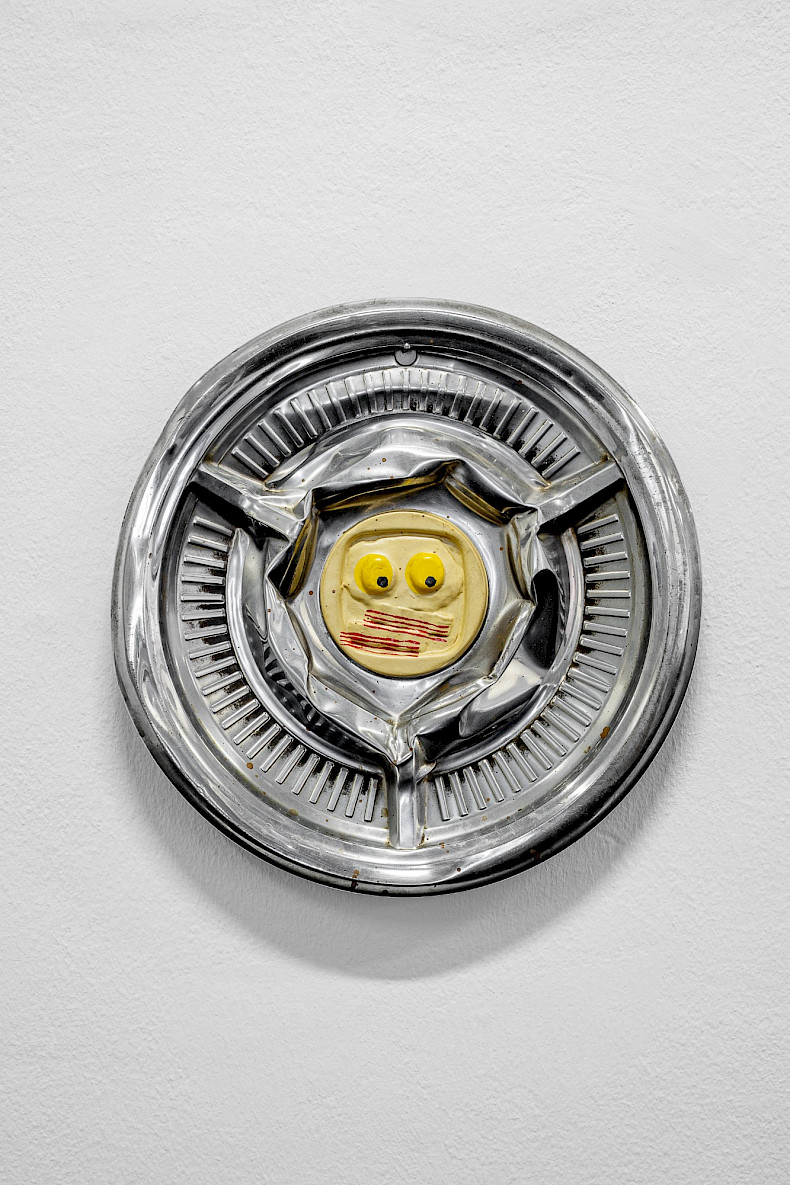
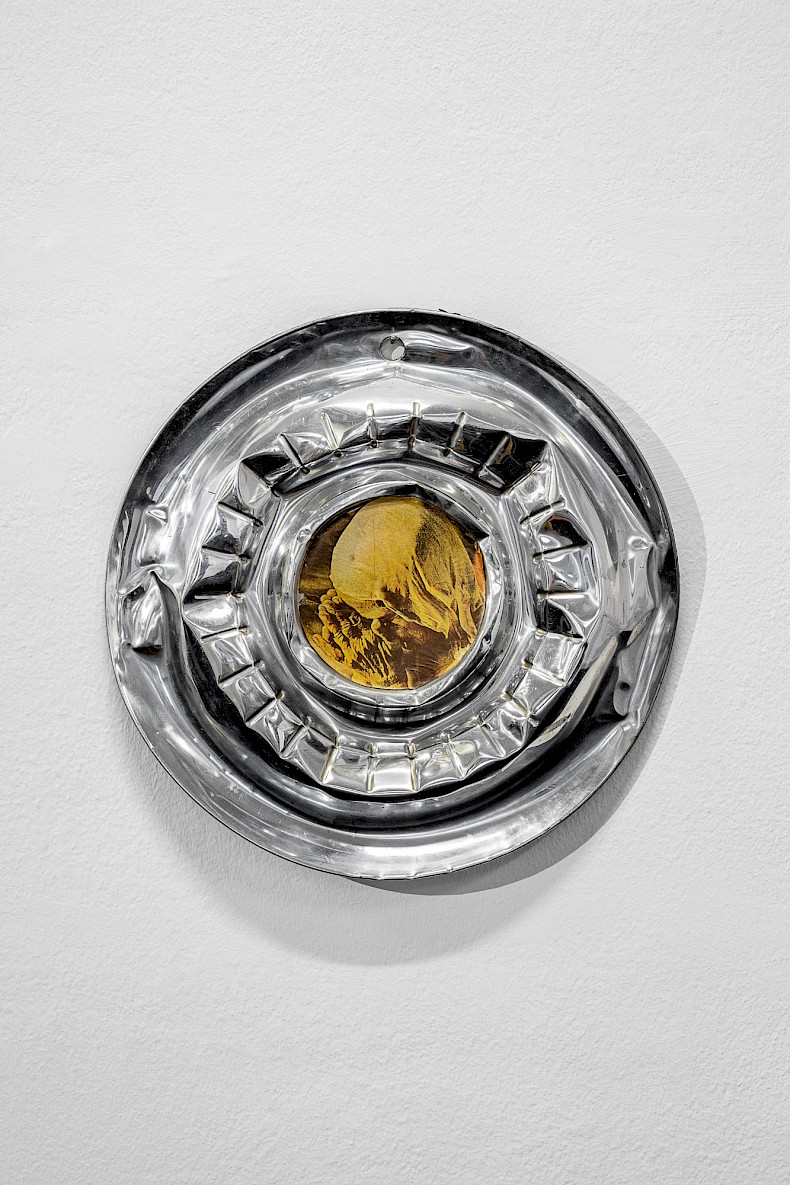
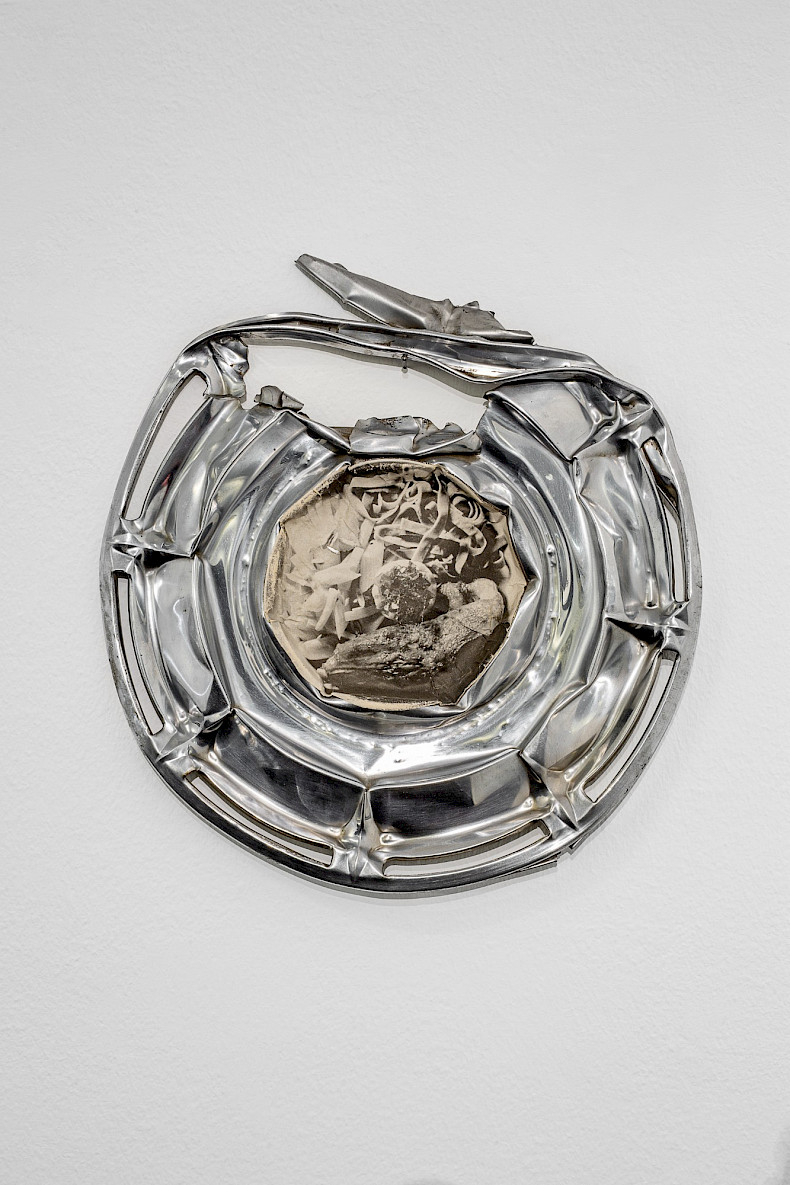
Sam Goodman: Pietà, 1962, paper on metal hubcap, Ø 38 cm (Photo: Marcus Rebmann)
NEIN! Boris Lurie and NO!art, exhibition view 2026, Kebbel Villa, Schwandorf (Photo: Marcus Rebmann)
Sam Goodman: Untitled, 1962, paper on metal hubcap, Ø 37 cm (Photo: Marcus Rebmann)
Boris Lurie: Tomato, 1963, paint and paper collage on canvas, 193 × 200 cm (Photo: Marcus Rebmann)
NEIN! Boris Lurie and NO!art, exhibition view 2026, Kebbel Villa, Schwandorf (Photo: Marcus Rebmann)
Sam Goodman: Pietà, 1962, paper on metal hubcap, Ø 38 cm (Photo: Marcus Rebmann)
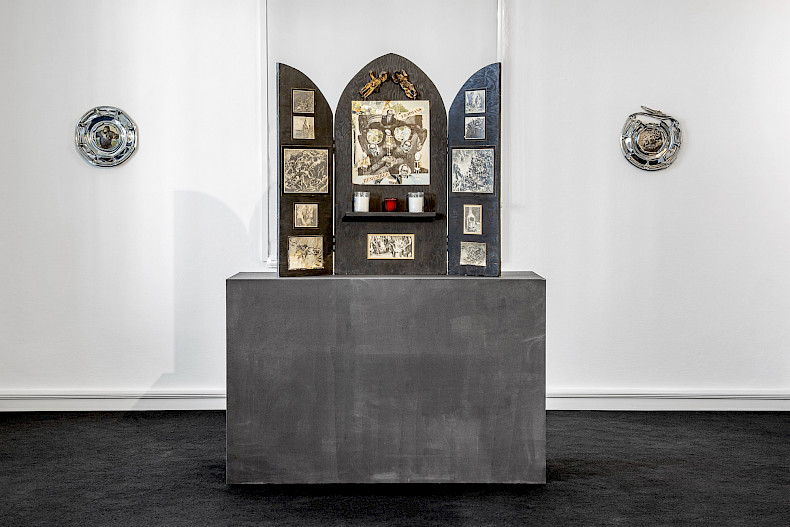
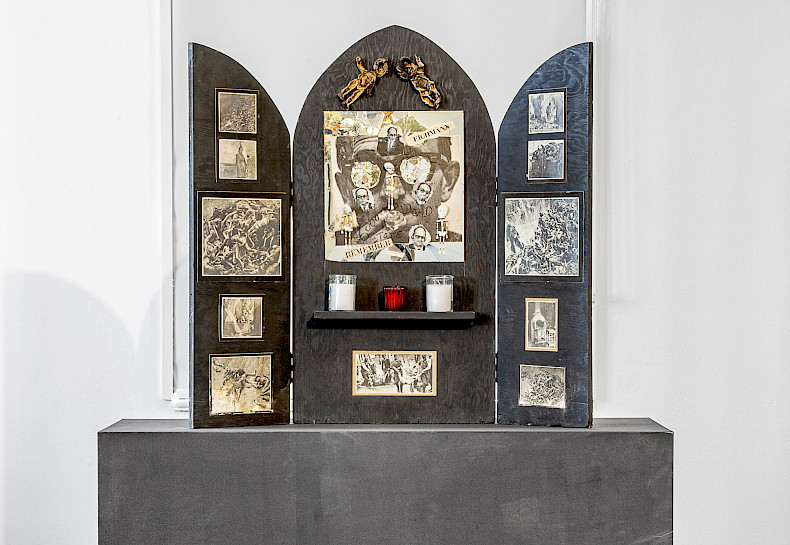
Sam Goodman: Eichmann Remember (Eichmann Triptych), c. 1961, paper clippings and objects on wood, 99 × 91 cm (Photo: Marcus Rebmann)
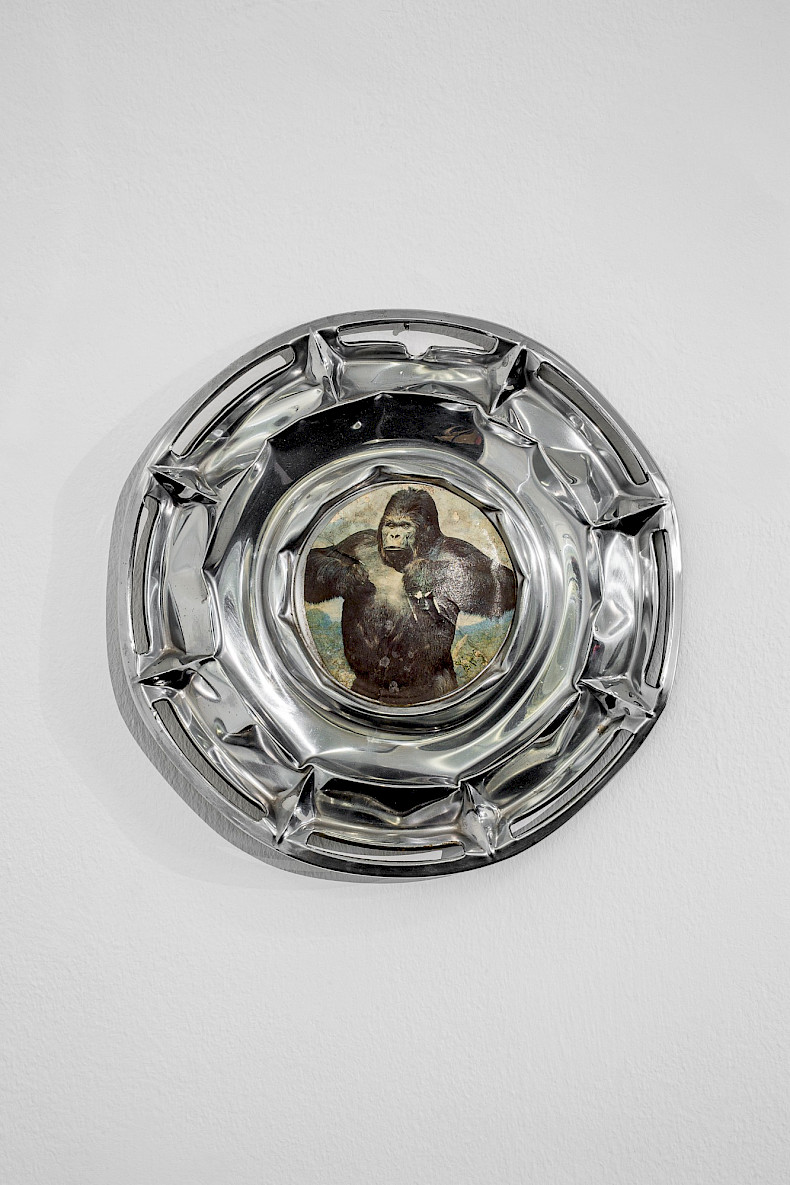
Sam Goodman: Gorilla, 1962, paper on metal hubcap, Ø 37 cm (Photo: Marcus Rebmann)
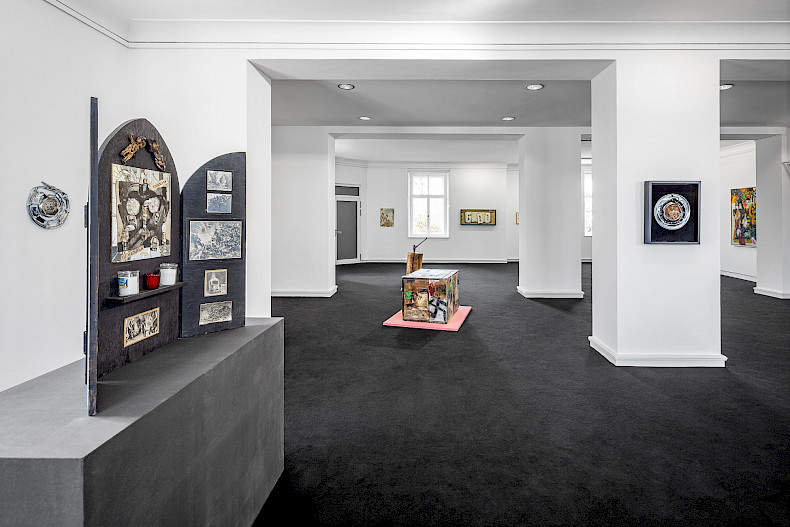
NEIN! Boris Lurie and NO!art, exhibition view 2026, Kebbel Villa, Schwandorf (Photo: Marcus Rebmann)
Sam Goodman: Eichmann Remember (Eichmann Triptych), c. 1961, paper clippings and objects on wood, 99 × 91 cm (Photo: Marcus Rebmann)
Sam Goodman: Untitled, 1962, paper on metal hubcap, Ø 37 cm (Photo: Marcus Rebmann)
NEIN! Boris Lurie and NO!art, exhibition view 2026, Kebbel Villa, Schwandorf (Photo: Marcus Rebmann)
NEIN! Boris Lurie and NO!art, exhibition view 2026, Kebbel Villa, Schwandorf (Photo: Marcus Rebmann)
NEIN! Boris Lurie and NO!art, exhibition view 2026, Kebbel Villa, Schwandorf (Photo: Marcus Rebmann)
NEIN! Boris Lurie and NO!art, exhibition view 2026, Kebbel Villa, Schwandorf (Photo: Marcus Rebmann)
NEIN! Boris Lurie and NO!art, exhibition view 2026, Kebbel Villa, Schwandorf (Photo: Marcus Rebmann)
NEIN! Boris Lurie and NO!art, exhibition view 2026, Kebbel Villa, Schwandorf (Photo: Marcus Rebmann)
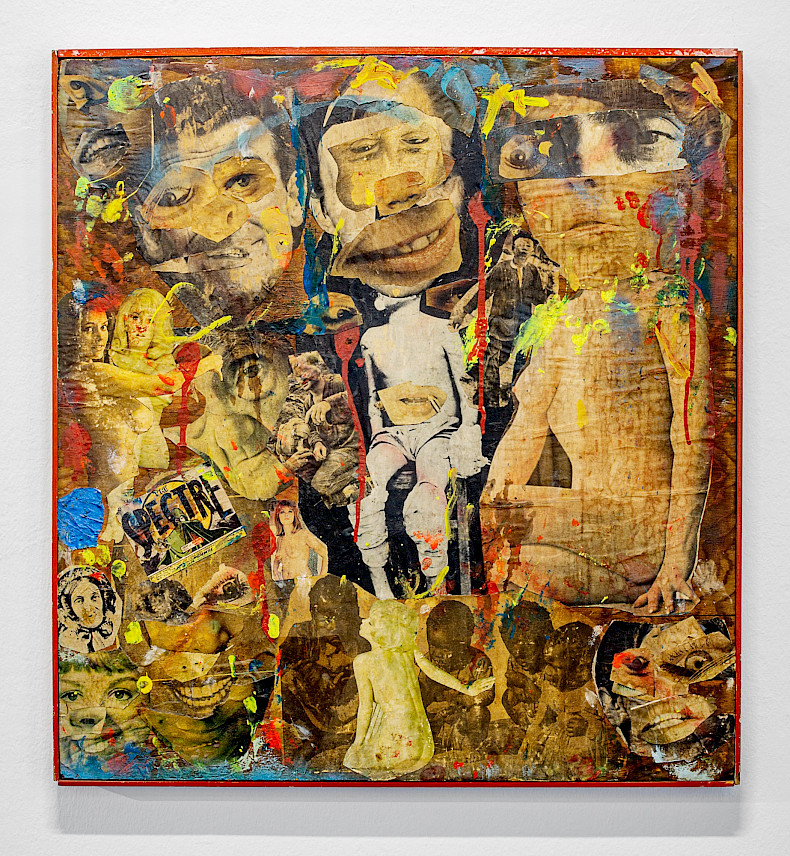
Stanley Fisher: Spectre, c. 1961-1963, acrylic paint and paper collage with varnish on plywood, 77 × 72 cm (Photo: Marcus Rebmann)
NEIN! Boris Lurie and NO!art, exhibition view 2026, Kebbel Villa, Schwandorf (Photo: Marcus Rebmann)
NEIN! Boris Lurie and NO!art, exhibition view 2026, Kebbel Villa, Schwandorf (Photo: Marcus Rebmann)
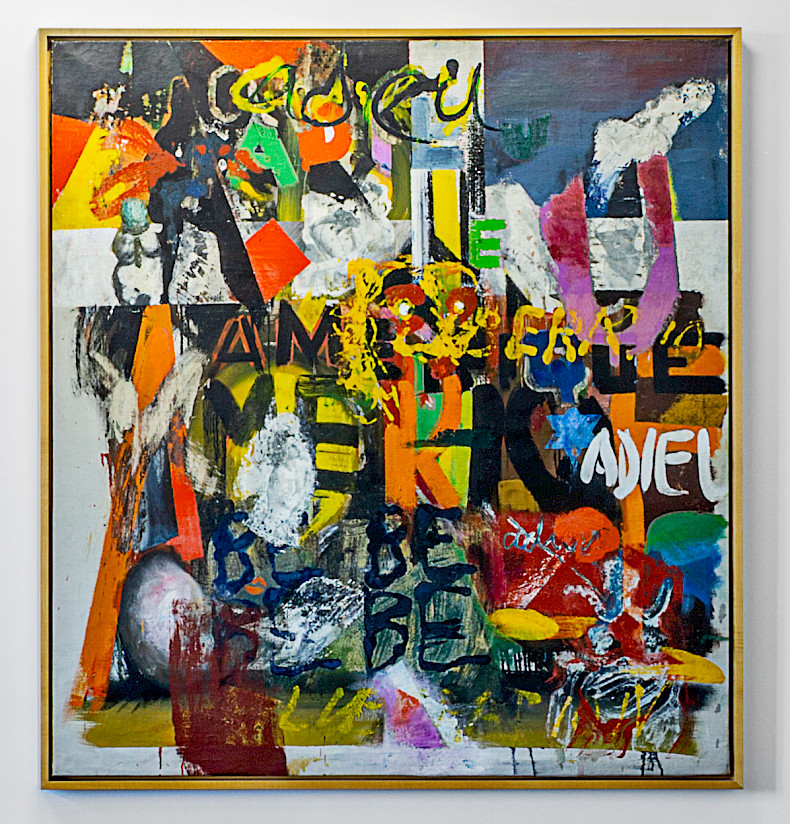
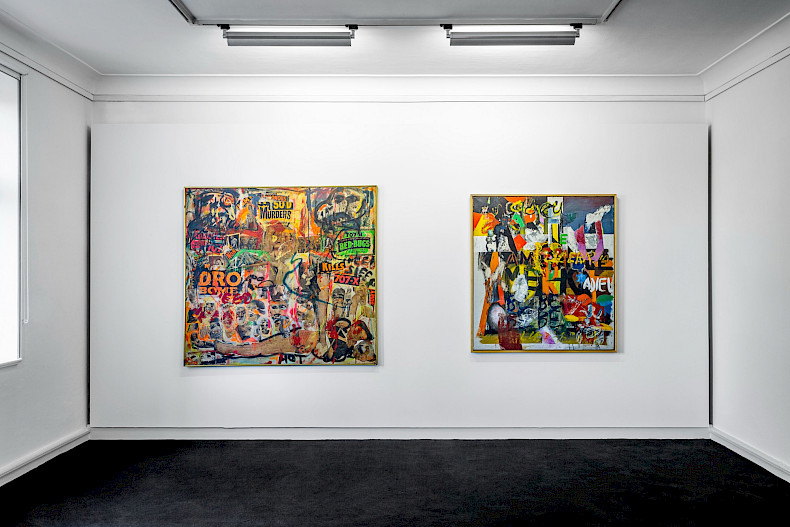
Boris Lurie: Adieu Amerique, 1959 -1960, oil and photo transfer on canvas, 141 × 131 cm, the Estate of Gertrude Stein (Photo: Marcus Rebmann)
NEIN! Boris Lurie and NO!art, exhibition view 2026, Kebbel Villa, Schwandorf (Photo: Marcus Rebmann)
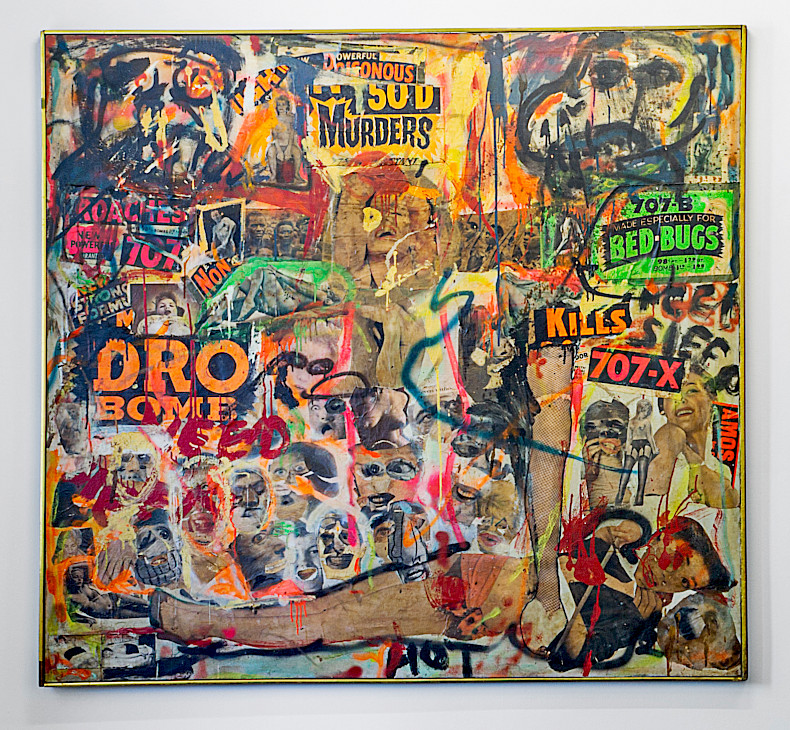
Stanley Fisher: Dro Bomb, c. 1961-1963, oil and spray paint on paper collage, 165 × 178 cm (Photo: Marcus Rebmann)
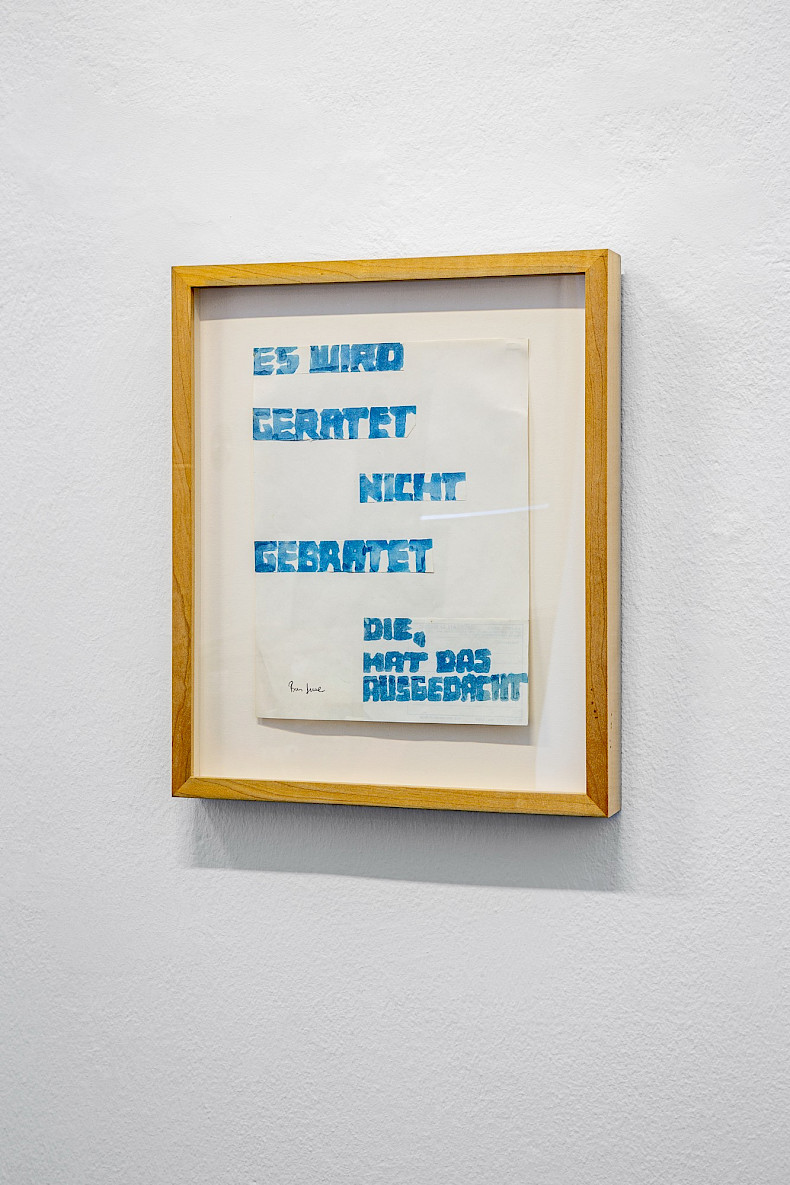
Boris Lurie: Es Wird Geratet Nicht Gebratet, n.d., ink on paper, 28 × 22 cm, the Estate of Gertrude Stein (Photo: Marcus Rebmann)
NEIN! Boris Lurie and NO!art, exhibition view 2026, Kebbel Villa, Schwandorf (Photo: Marcus Rebmann)
NEIN! Boris Lurie and NO!art, exhibition view 2026, Kebbel Villa, Schwandorf (Photo: Marcus Rebmann)
NEIN! Boris Lurie and NO!art, exhibition view 2026, Kebbel Villa, Schwandorf (Photo: Marcus Rebmann)
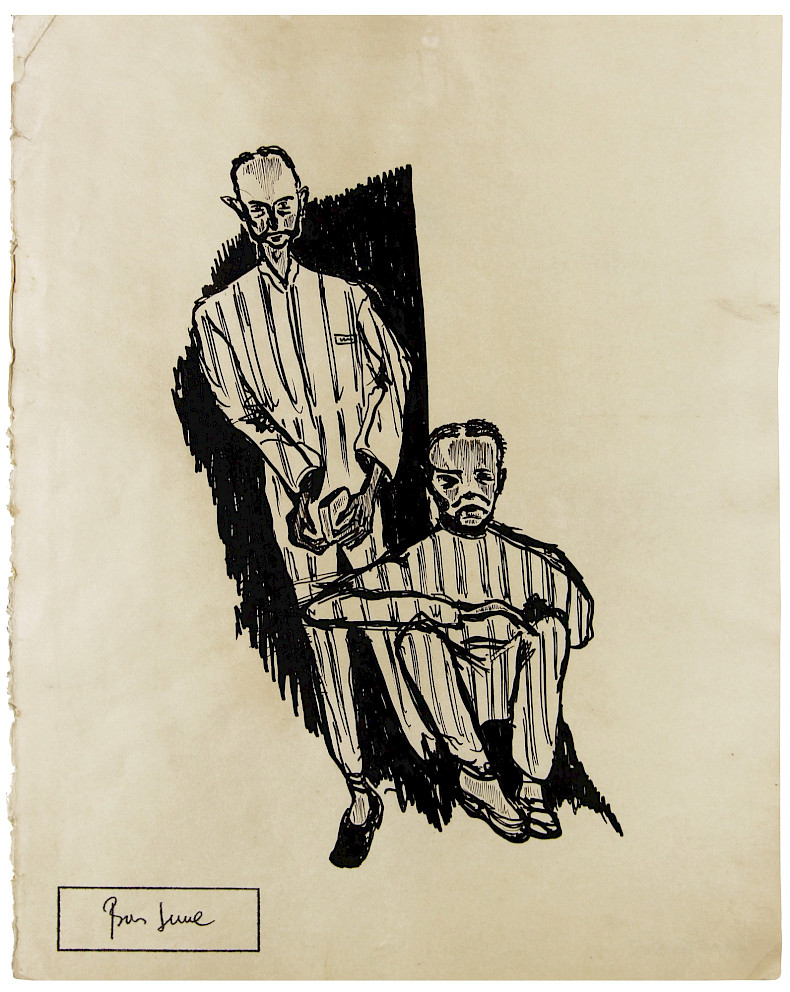
Boris Lurie: Untitled, c. 1946, pen and ink on paper, 26 × 20 cm (Photo: Tim Nighswander)
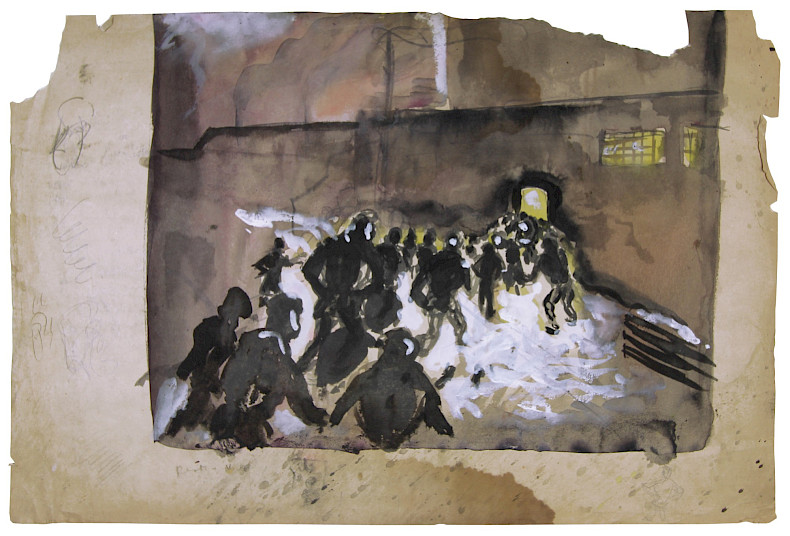
Boris Lurie: Untitled, c. 1940-1950, watercolor on paper, 30 × 45 cm (Photo: Tim Nighswander)
Boris Lurie: Untitled, c. 1946, pen, ink and gouache on paper, 24 × 20 cm (Photo: Tim Nighswander)
NEIN! Boris Lurie and NO!art, exhibition view 2026, Kebbel Villa, Schwandorf (Photo: Marcus Rebmann)
Boris Lurie: NEIN, n.d., acrylic on paper, 30 × 47 cm (Photo: Marcus Rebmann)
NEIN! Boris Lurie and NO!art, exhibition view 2026, Kebbel Villa, Schwandorf (Photo: Marcus Rebmann)
Boris Lurie: Bombed Bridge, c. 1946, pastel and gouache on paper, 43 × 56 cm (Photo: Tim Nighswander)
Boris Lurie: Untitled, c. 1946, pencil on paper, 29 × 21 cm (Photo: Tim Nighswander)
Boris Lurie: Untitled, c. 1946, conté crayon and charcoal on paper, 29 × 21 cm (Photo: Tim Nighswander)
NEIN! Boris Lurie and NO!art, exhibition view 2026, Kebbel Villa, Schwandorf (Photo: Marcus Rebmann)
Boris Lurie: Railroad Collage (Railroad to America), c. 1963, paper collage, mounted on canvas, 37 × 54 cm (Photo: Marcus Rebmann)
NEIN! Boris Lurie and NO!art, exhibition view 2026, Kebbel Villa, Schwandorf (Photo: Marcus Rebmann)
Boris Lurie: Lumumba is Dead (Adieu Amerique), 1961, oil, paper collage, playing cards, photos and wastepaper on canvas, 181 × 200 cm (Photo: Marcus Rebmann)
NEIN! Boris Lurie and NO!art, exhibition view 2026, Kebbel Villa, Schwandorf (Photo: Marcus Rebmann)
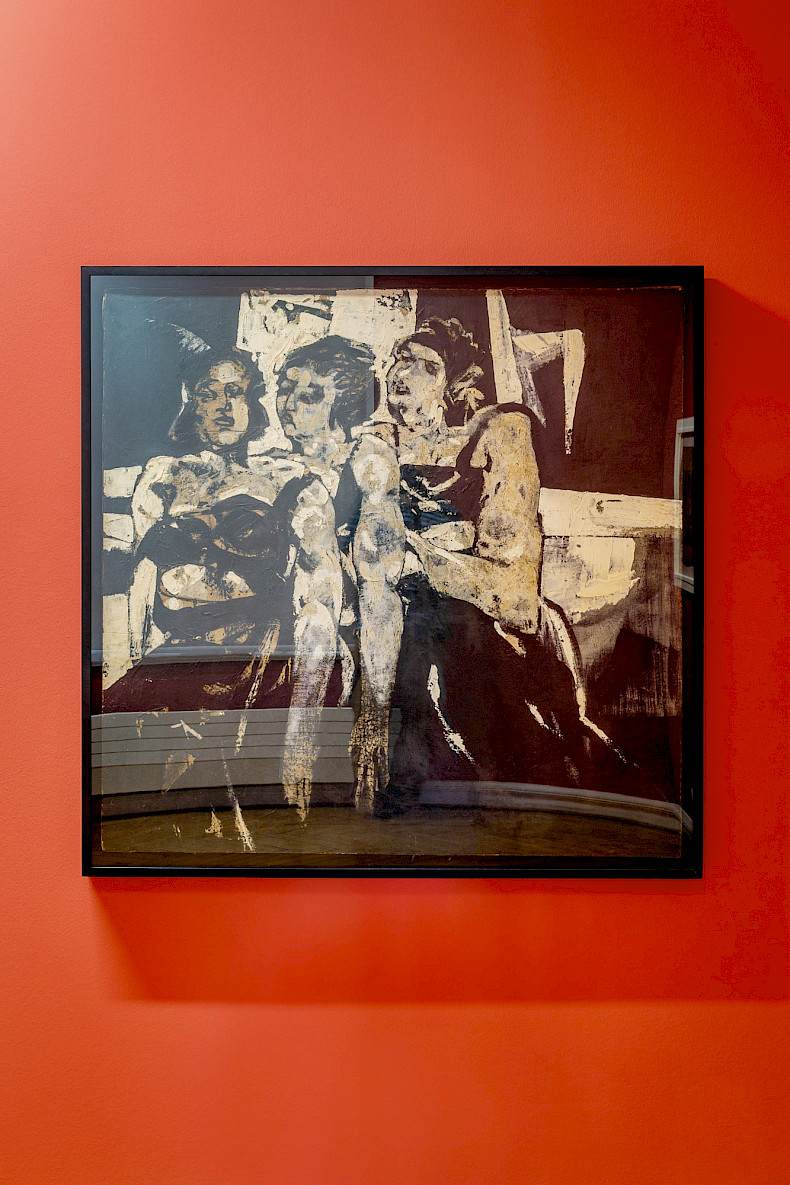
Boris Lurie: Three Women, c. 1955, oil on masonite, 118 × 120 cm (Photo: Marcus Rebmann)
Boris Lurie: NEIN, n.d., acrylic on paper, 30 × 47 cm (Photo: Marcus Rebmann)
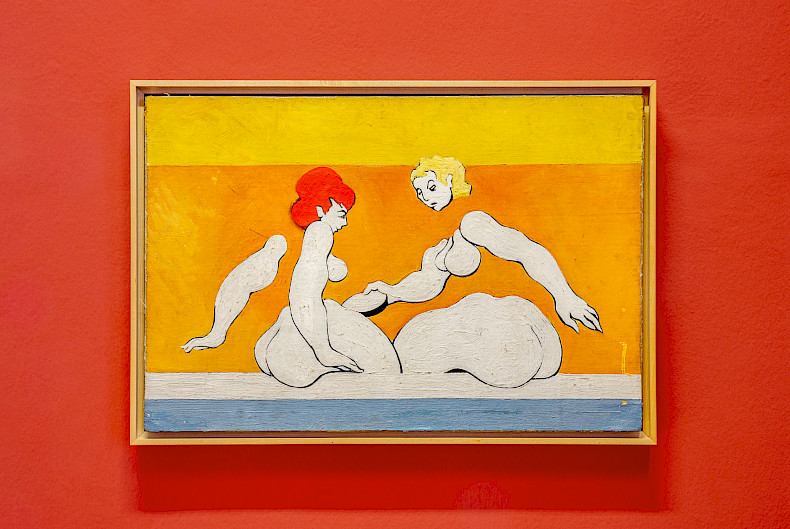
Boris Lurie: Dismembered Woman: Giving Bread, 1949, oil on cardboard, 36 × 53 cm (Photo: Marcus Rebmann)
NEIN! Boris Lurie and NO!art, exhibition view 2026, Kebbel Villa, Schwandorf (Photo: Marcus Rebmann)
NEIN! Boris Lurie and NO!art, exhibition view 2026, Kebbel Villa, Schwandorf (Photo: Marcus Rebmann)
NEIN! Boris Lurie and NO!art, exhibition view 2026, Kebbel Villa, Schwandorf (Photo: Marcus Rebmann)
Boris Lurie: NEIN, n.d., acrylic on paper, 30 × 47 cm (Photo: Marcus Rebmann)
NEIN! Boris Lurie and NO!art, exhibition view 2026, Kebbel Villa, Schwandorf (Photo: Marcus Rebmann)
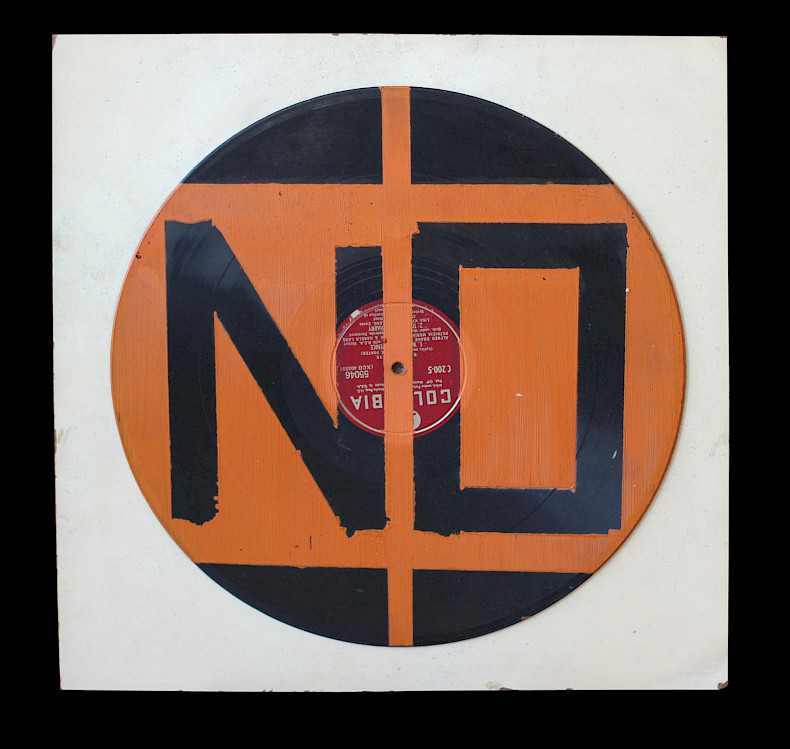
Boris Lurie: NO Record, 1962, acrylic on vinyl record, mounted on board, Ø 36 cm (Photo: Tim Nighswander)
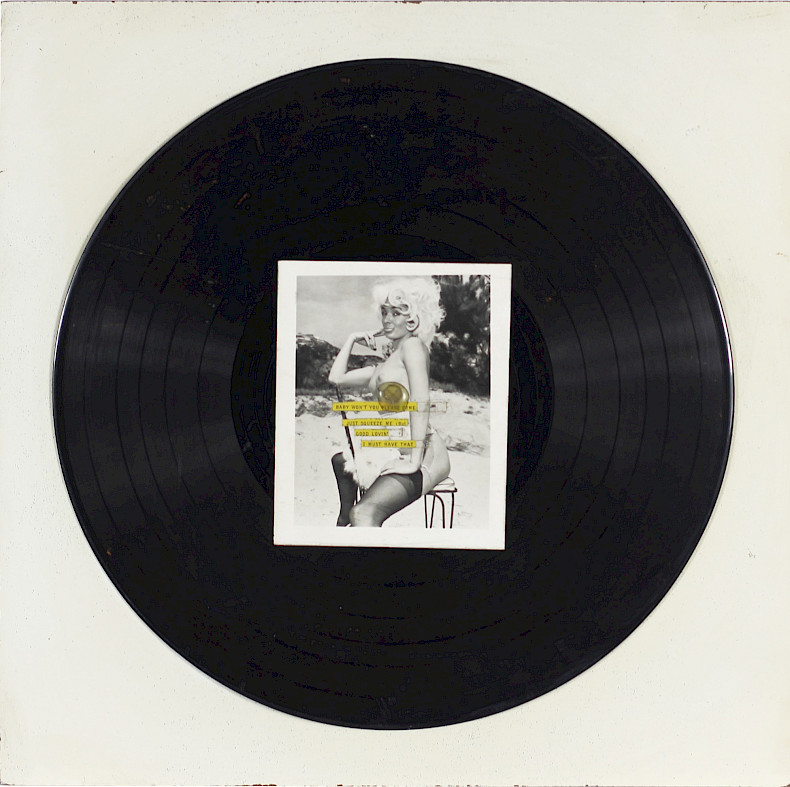
Boris Lurie: Baby Won’t You Please, 1962, photo, paper collage, and vinyl record, mounted on board, Ø 36 cm (Photo: Tim Nighswander)
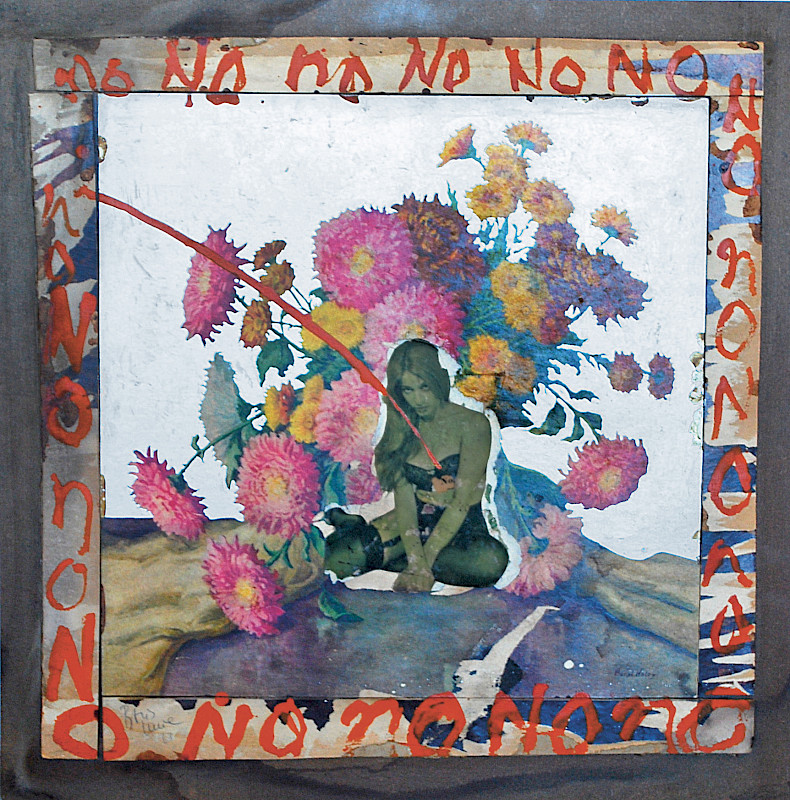
Boris Lurie: NO with Pinup and Flowers, 1963, paint and paper collage on masonite, 89 × 89 cm, the Estate of Gertrude Stein (Photo: Tim Nighswander)
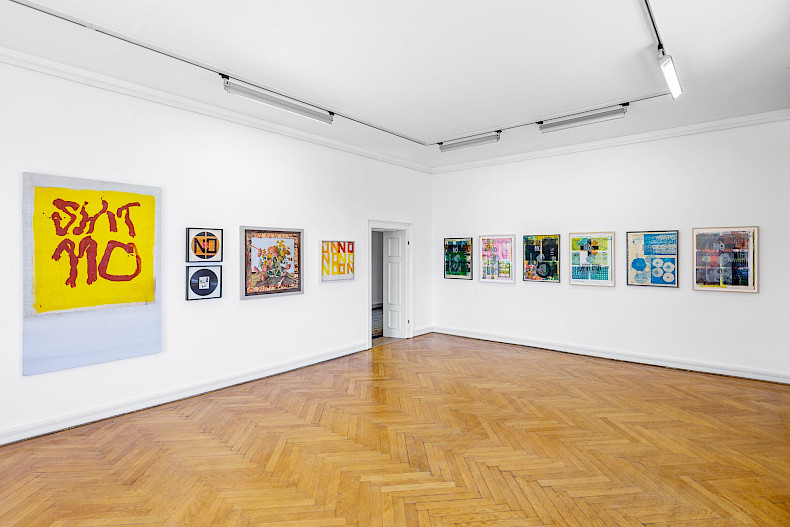
NEIN! Boris Lurie and NO!art, exhibition view 2026, Kebbel Villa, Schwandorf (Photo: Marcus Rebmann)
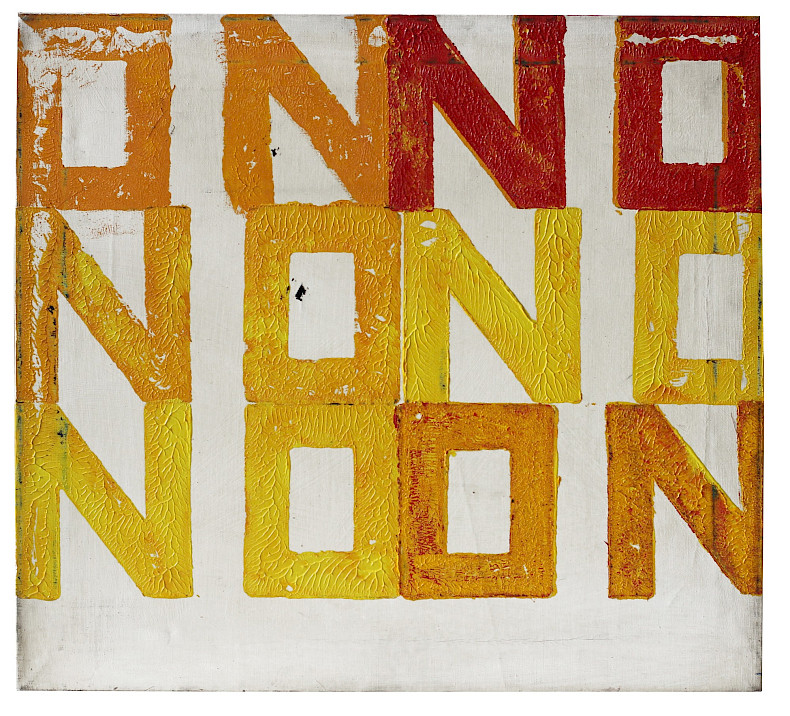
Boris Lurie: NO-ON, 1962, oil on canvas, 65 × 73 cm (Photo: Tim Nighswander)
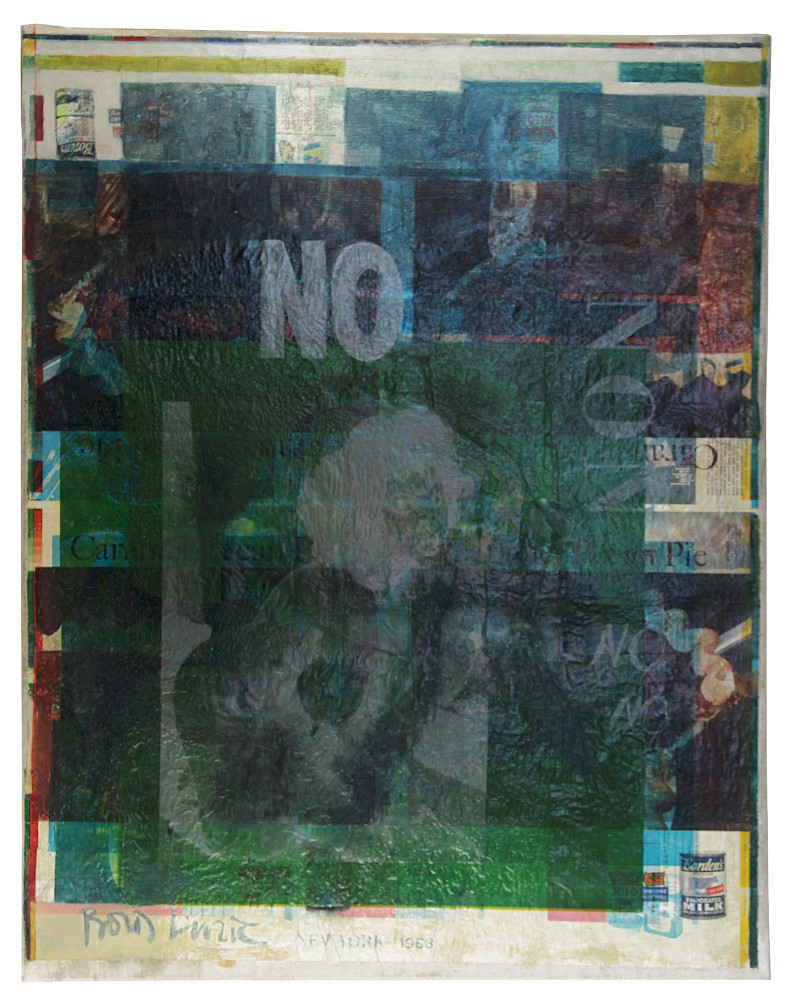
Boris Lurie: NO Poster, 1963, paint and silkscreen print on wastepaper, mounted on canvas, 74 × 57 cm (Photo: Tim Nighswander)
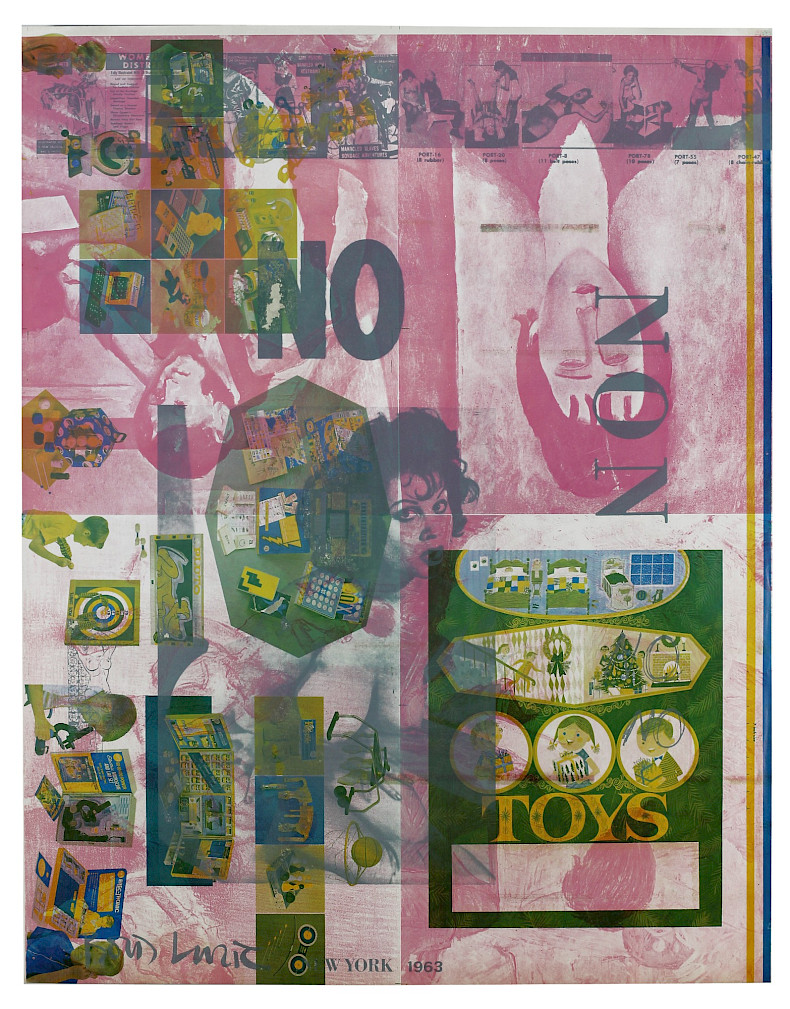
Boris Lurie: NO Poster, 1963, silkscreen print on wastepaper, 73 × 57 cm (Photo: Tim Nighswander)
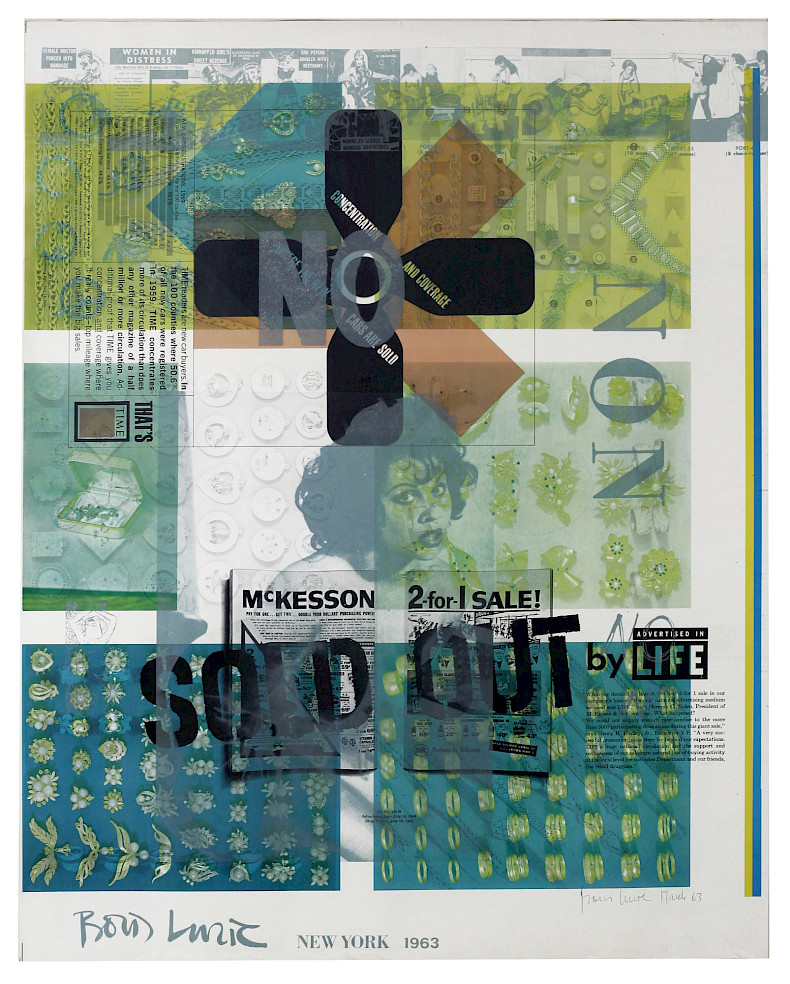
Boris Lurie: NO Poster, 1963, silkscreen print on wastepaper, 71 × 56 cm (Photo: Tim Nighswander)
NEIN! Boris Lurie and NO!art, exhibition view 2026, Kebbel Villa, Schwandorf (Photo: Marcus Rebmann)
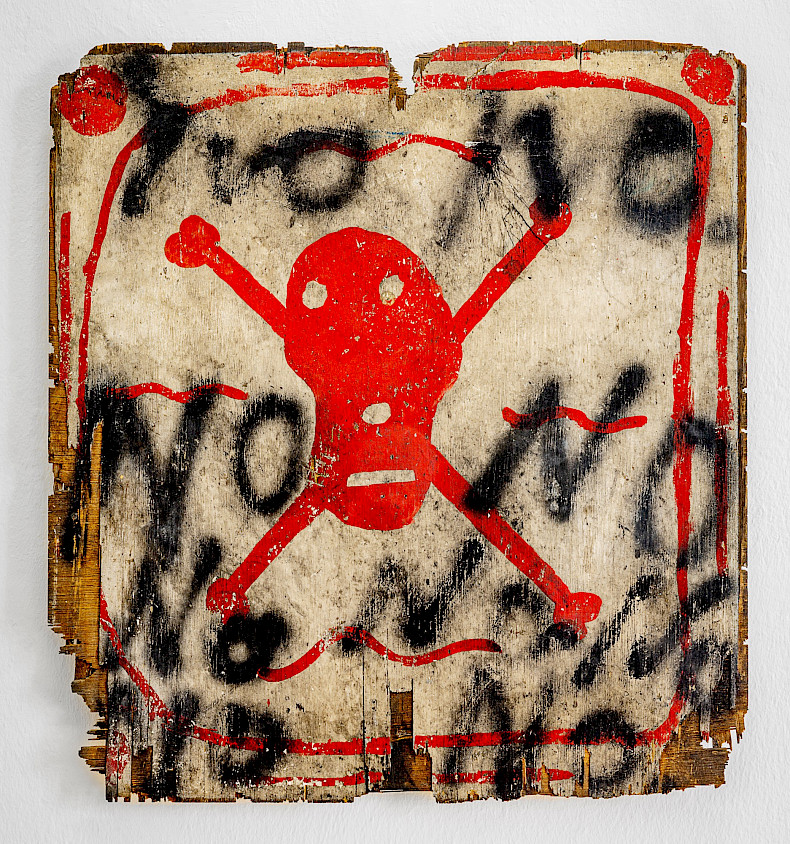
Boris Lurie: NOs with Skull and Crossbones, c. 1963, acrylic and spray paint on plywood, 64 × 59 cm (Photo: Marcus Rebmann)
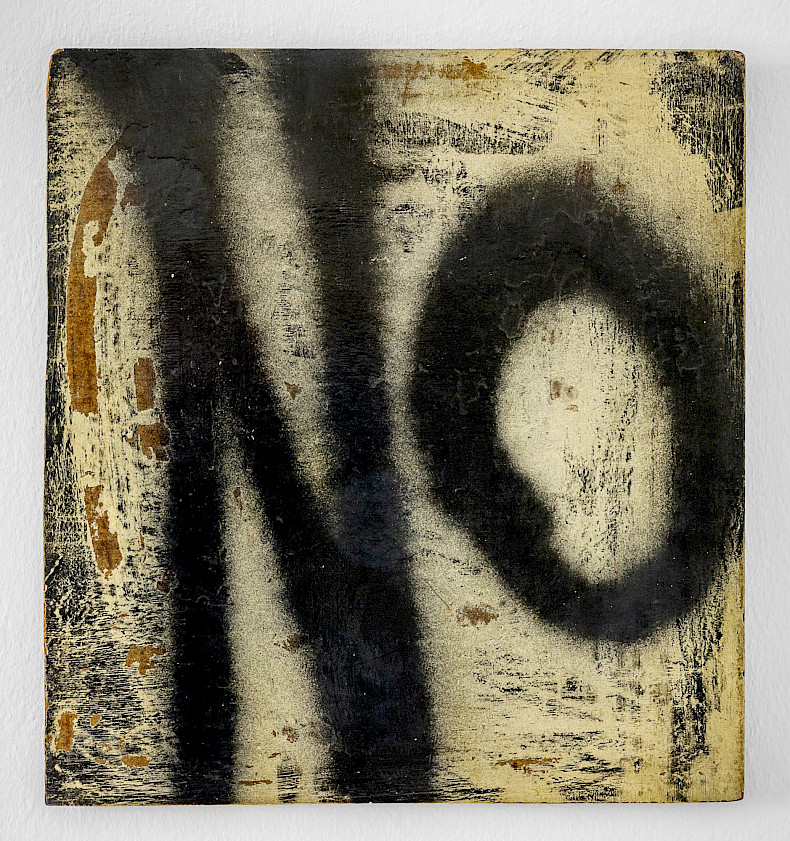
Boris Lurie: Untitled (NO sprayed), 1963, spray paint on Masonite, 56 × 52 cm (Photo: Marcus Rebmann)
NEIN! Boris Lurie and NO!art, exhibition view 2026, Kebbel Villa, Schwandorf (Photo: Marcus Rebmann)
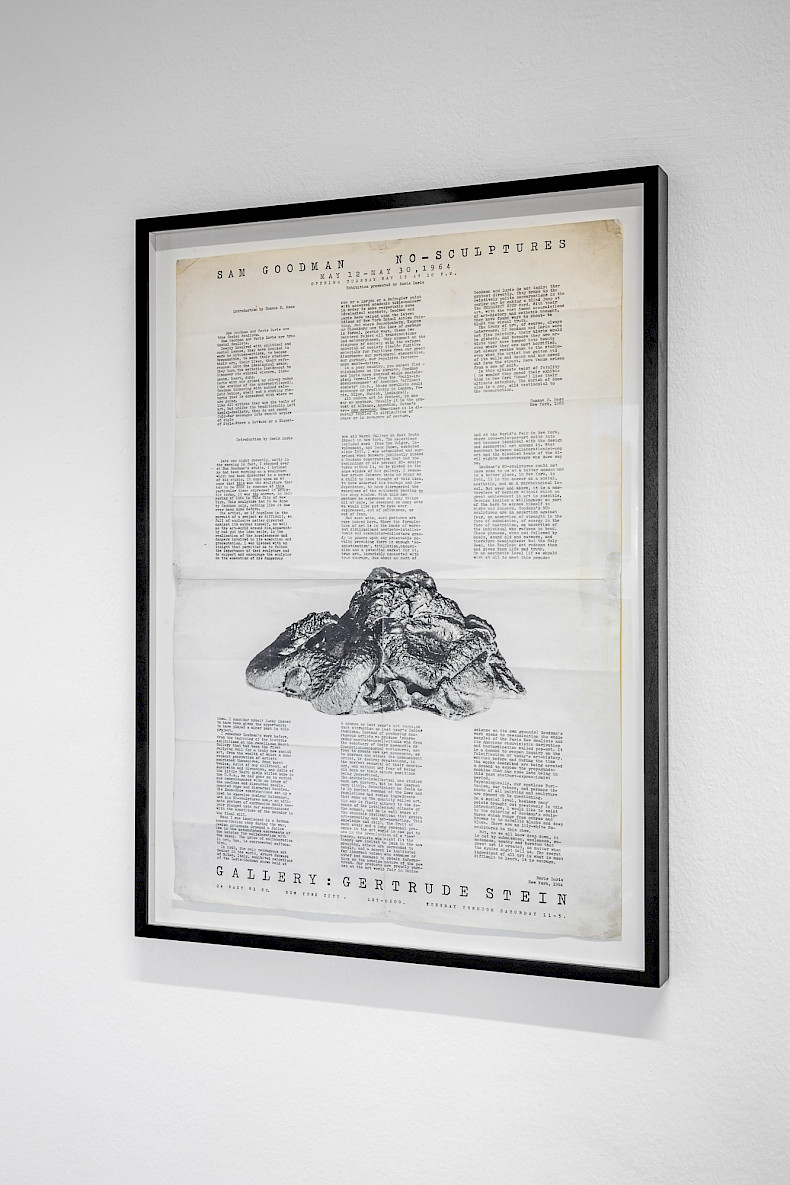
Gallery: Gertrude Stein: NO sculptures (Shit) Show Poster, 1964, poster, 61 × 43 cm (Photo: Marcus Rebmann)
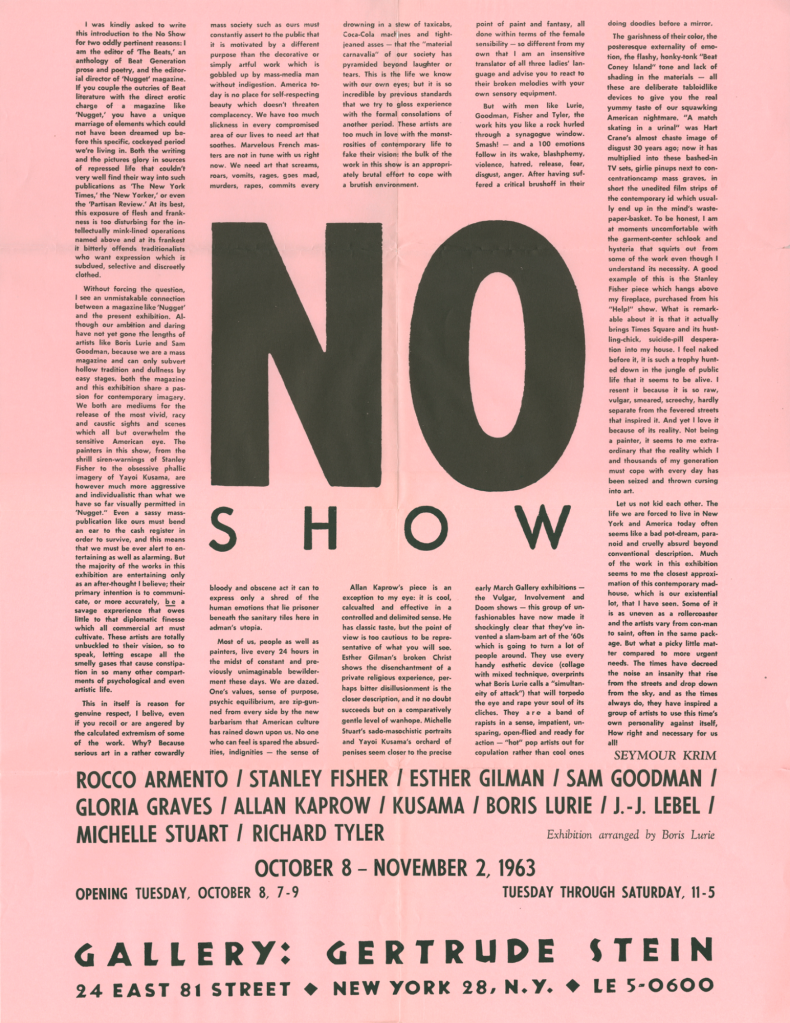
Gallery: Gertrude Stein, NO Show Poster, 1964, poster, 56 × 43 cm (Photo: Tim Nighswander)
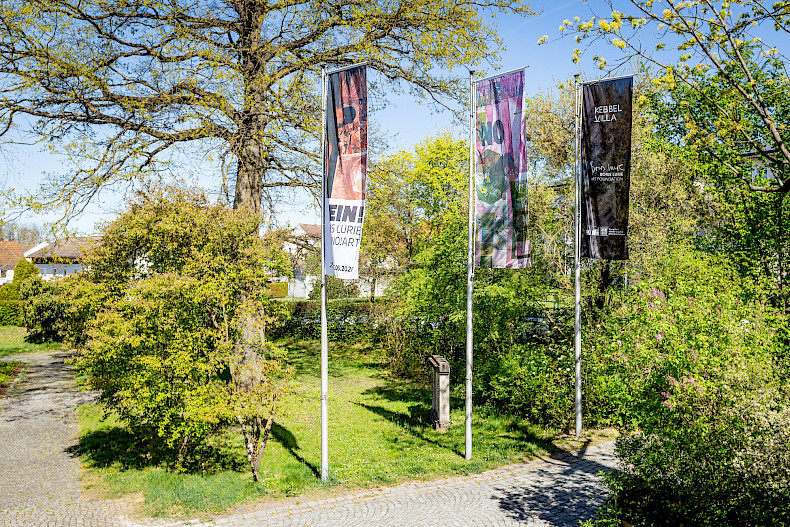
NEIN! Boris Lurie and NO!art, three flags in the park of Kebbel Villa, 2026 (Photo: Marcus Rebmann)